Understanding the Roots of Industrial Furniture Style
Industrial furniture style didn’t begin as a design movement—it emerged out of necessity. Its origins trace back to late nineteenth- and early twentieth-century factories, warehouses, and workshops where furniture was built to survive heavy use rather than look pretty. Steel worktables, wooden crates, iron stools, and factory carts were purely functional objects. Over time, as old industrial buildings were converted into homes and studios, these rugged pieces followed, bringing with them a raw, honest aesthetic that felt refreshingly unrefined.
What makes industrial furniture style so enduring is its connection to real spaces and real work. It doesn’t try to hide wear, scratches, or imperfections. Instead, those marks become part of the story. In a world filled with polished finishes and disposable décor, industrial style feels grounded and authentic—almost defiant in its refusal to be delicate.
The Core Characteristics That Define the Look
At its heart, industrial furniture style is about structure and material. You’ll notice an emphasis on exposed elements—metal frames, visible welds, thick bolts, and solid wood slabs that show their grain proudly. Furniture often feels heavy, both visually and physically, as if it’s meant to stay put rather than be rearranged every season.
There’s also a strong sense of honesty in the design. Materials look like what they are. Metal isn’t painted to resemble wood, and wood isn’t hidden behind veneers. Finishes tend to be matte or lightly treated, allowing textures to remain visible. The result is furniture that feels straightforward and unpretentious, even when it’s carefully designed.
Materials That Shape Industrial Furniture Style
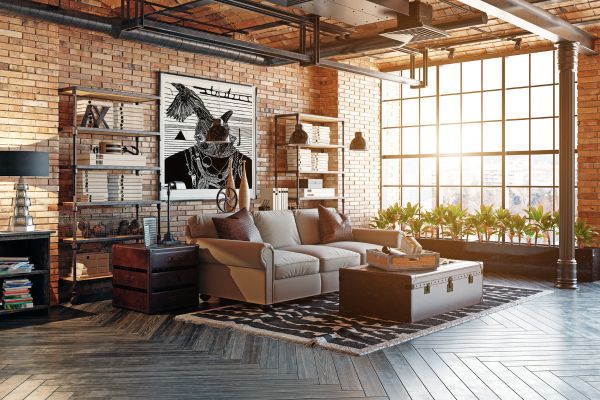
Materials do most of the talking in industrial furniture style. Wood and metal dominate, often used together in ways that highlight contrast. Reclaimed or distressed wood is especially common, valued for its knots, cracks, and uneven tones. These surfaces add warmth and balance to the cooler feel of steel or iron.
Metal elements are usually dark—blackened steel, aged iron, or brushed aluminum—and rarely glossy. The goal isn’t shine, but strength. Leather sometimes appears as well, particularly in seating, where its natural aging process fits perfectly with the industrial mindset. Concrete, while not traditional furniture material, has also found its way into tabletops and bases, reinforcing the style’s architectural roots.
Color Palettes That Feel Grounded and Urban
Industrial furniture style favors colors that feel pulled from the city itself. Think charcoal, graphite, rust, warm browns, deep tans, and muted grays. These tones echo factory floors, weathered brick walls, and old machinery. Bright colors are rare, and when they do appear, they’re usually muted rather than bold.
This restrained palette helps the furniture blend seamlessly into lofts, apartments, and modern homes without overpowering the space. It also allows textures—wood grain, metal patina, worn leather—to become the real visual focus instead of loud color contrasts.
How Industrial Furniture Style Fits Into Modern Homes
Despite its rugged origins, industrial furniture style has proven surprisingly adaptable. It works just as well in urban lofts as it does in suburban houses or minimalist apartments. The key lies in balance. A single industrial dining table can anchor an otherwise soft, neutral room, adding character without turning the space into a factory replica.
In smaller homes, industrial furniture often serves as a grounding element. A steel-framed bookshelf or a wood-and-metal desk introduces structure and visual weight, making the space feel intentional rather than cluttered. When paired with softer textiles or natural light, the style becomes welcoming instead of cold.
Industrial Furniture Style Versus Industrial-Inspired Design
It’s worth noting the difference between true industrial furniture style and industrial-inspired design. Authentic industrial pieces often feel heavier, simpler, and more utilitarian. They may even look slightly unfinished. Industrial-inspired furniture, on the other hand, borrows the aesthetic cues—metal legs, rough wood surfaces—but refines them for everyday living.
Neither approach is better than the other; they simply serve different purposes. Pure industrial furniture appeals to those who appreciate raw design and historical character. Industrial-inspired pieces are often more comfortable and practical for daily use, especially in family homes. Both, however, share the same visual language and respect for material honesty.
Living With Industrial Furniture Style Day to Day
One of the unexpected strengths of industrial furniture style is how well it ages. Scratches don’t feel like damage; they feel earned. Wood darkens, metal develops patina, and leather softens over time. Instead of fighting wear, the style embraces it, making these pieces ideal for real, lived-in homes.
Maintenance tends to be straightforward. Solid wood and metal are durable and forgiving, and minor imperfections rarely require immediate attention. This practical side of industrial furniture style is often overlooked, but it’s part of why so many people stick with it long-term.
Mixing Industrial Furniture Style With Other Aesthetics
Industrial furniture style rarely exists in isolation anymore. It blends easily with other design approaches, often acting as a visual anchor. When paired with Scandinavian interiors, it adds depth and contrast. In bohemian spaces, it grounds softer textures and patterns. Even in contemporary homes, industrial furniture introduces warmth and character that sleek surfaces alone can’t provide.
The trick is moderation. A room doesn’t need to be filled entirely with metal and reclaimed wood to feel industrial. One or two well-chosen pieces can define the mood while allowing other styles to coexist comfortably.
Why Industrial Furniture Style Continues to Endure
Trends come and go, but industrial furniture style has remained relevant for decades. Part of its appeal lies in its refusal to chase perfection. In an era dominated by fast furniture and fleeting aesthetics, industrial design feels stable and timeless. It tells a story—of work, craftsmanship, and material integrity—that resonates across generations.
There’s also an emotional aspect to the style. Industrial furniture often feels honest, almost reassuring. It doesn’t pretend to be something it’s not. That sense of authenticity is increasingly valuable in modern interiors, where people want spaces that feel real and personal rather than staged.
A Reflective Conclusion on Industrial Furniture Style
Industrial furniture style is more than a visual trend—it’s a mindset. It values durability over decoration, substance over surface, and history over perfection. Whether used sparingly or embraced fully, it brings a sense of grounded authenticity to any space it enters.
By celebrating raw materials, visible structure, and natural wear, industrial furniture style reminds us that beauty doesn’t have to be flawless. Sometimes, it’s the marks of use, the rough edges, and the quiet strength of honest design that make a space truly feel like home.