If you’ve ever walked into a space that feels naturally warm, a little rugged, and effortlessly charming, you’ve already experienced the magic of rustic décor. And when it comes to learning how to decorate with rustic furniture, the beauty is that it’s not about perfection at all. It’s about character. It’s about texture. It’s about creating a lived-in space that feels cozy, grounded, and inviting. The thing is, rustic design has this way of making a home feel like an escape—even if you’re smack in the middle of the city.
Let’s walk through how you can pull this style together in a natural, intentional, and personal way.
Understanding the Heart of Rustic Style
Before you start thinking about where to put that distressed wooden table or antique trunk, it helps to understand what rustic design even means. Rustic décor is rooted in nature. It’s inspired by old farmhouses, cabins, countryside living—places where wood wasn’t “styled,” it was simply there. When figuring out how to decorate with rustic furniture, remember that authenticity matters more than polish.
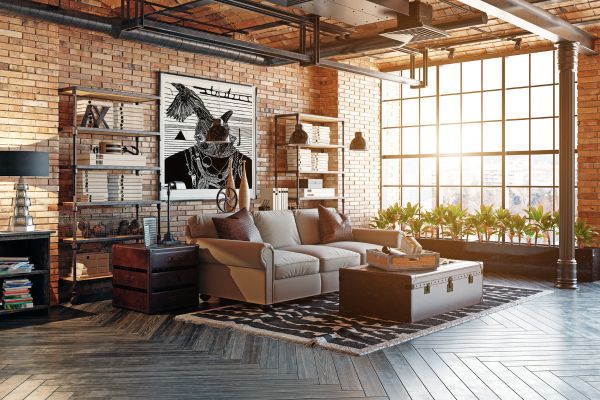
Think rough textures. Think solid, chunky furniture pieces that feel like they’ve got a story to tell. Think natural materials—wood, stone, leather, metal—mixed together with a sense of ease. It’s less about matching and more about blending things that feel organic.
Choosing the Right Rustic Furniture
Here’s where things get interesting. Rustic furniture isn’t just “old furniture.” It’s furniture that looks and feels real. Pieces with knots, grain patterns, imperfections, even a little weathering. You know—that kind of stuff that gives a room soul.
To master how to decorate with rustic furniture, start by picking a few foundational pieces. A reclaimed wood coffee table. A farmhouse dining table. A well-worn leather chair. These items become the anchors of your space. They immediately bring warmth but also give you a base to style around.
Don’t worry too much about everything matching. Rustic style thrives on contrast. A dark wood table next to a lighter wood accent cabinet? Totally fine. Actually, it adds depth.
Layering Textures for a Cozy Atmosphere
If there’s one secret to pulling off a rustic interior, it’s texture. Lots of it. When you’re figuring out how to decorate with rustic furniture, don’t just place a piece in a room and call it a day. Build around it.
Soft, chunky throws draped over a raw wood bench. Woven rugs layered on hardwood floors. Linen cushions on a leather sofa. It’s these combinations—soft and hard, smooth and rough—that make rustic interiors feel warm and alive.
This style is all about comfort, so don’t be afraid to mix materials. A little messiness is okay too. Let’s be real: perfectly crisp, stiff décor feels cold. Rustic décor should feel like you can actually live in the space.
Playing With Natural Colors
Color matters—maybe more than you think. Rustic interiors rely on earthy tones to enhance the warmth of natural materials. When thinking about how to decorate with rustic furniture, stick to hues that feel like they came straight from nature.
Warm browns, deep greens, muted creams, slate grays. You can bring in bolder tones too—think burnt orange or mustard yellow—but keep them grounded. These colors help rustic furniture stand out without overwhelming the room.
Lighting also plays a role. Soft, warm lights—lamps, string lights, candles—work better than bright white bulbs. They add that cozy glow that rustic spaces are known for.
Mixing Old With New
Some people think rustic décor means everything has to look vintage or worn. Not true. In fact, mixing rustic furniture with modern pieces creates a stunning balance. It keeps the space from feeling like an old cabin (unless that’s what you want).
A sleek modern lamp on a reclaimed wood side table. A minimalist sofa paired with a chunky rustic coffee table. Modern art on a wall covered in reclaimed wood. It’s all about contrast and intention.
When you’re deciding how to decorate with rustic furniture, ask yourself: “What modern element can I mix in to make this feel fresh and not too heavy?” A little bit of contemporary flair goes a long way.
Bringing the Outdoors In
Nature is basically the backbone of rustic style. So the more natural elements you bring inside, the stronger your décor becomes. This doesn’t mean you have to decorate with a bunch of plants (though plants are always a good idea).
Try adding stone pieces, ceramic bowls, wooden trays, dried flowers, or woven baskets. These little touches complement rustic furniture beautifully and create a connection between your home and the outdoors.
Even better—if you can let in as much natural light as possible, do it. Rustic furniture looks its best when the sun hits those wood grains and textures.
Styling With Meaningful Accents
Rustic décor should feel personal, not staged. That’s why accessories matter, but only the ones that mean something to you. When exploring how to decorate with rustic furniture, focus on accents that add personality rather than clutter.
Family heirlooms, handmade ceramics, vintage books, old photographs—these little things bring authenticity to the space. Rustic interiors aren’t about perfection; they’re about feeling lived-in and real.
Avoid mass-produced décor pieces that feel too generic. Instead, go for items that look like they have a story.
Creating Balance Without Losing the Rustic Charm
One thing to avoid? Overloading your home with rustic elements. Yes, rustic style is warm and inviting, but too much wood, too much texture, too much of everything can make a space feel heavy.
Balance is key. If your furniture is dark and chunky, lighten the room with soft fabrics or brighter walls. If you’ve got a lot of wood, bring in a bit of metal, glass, or greenery to break things up.
When thinking about how to decorate with rustic furniture, imagine your room as a conversation between elements. No one voice should overpower the others.
Final Thoughts on How To Decorate With Rustic Furniture
Decorating with rustic furniture is truly about letting your home feel warm, imperfect, and full of personality. It’s about mixing textures, balancing old and new, embracing natural materials, and creating a space that feels comfortable the moment you walk in.
Remember, learning how to decorate with rustic furniture isn’t about following strict rules. It’s more about trusting your eye, experimenting a little, and choosing pieces that speak to you.
At the end of the day, the best rustic spaces feel effortless—like they evolved naturally over time. And honestly, that’s the charm.