There’s something quietly confident about Mid-Century Modern interiors. They don’t shout for attention, yet they rarely go unnoticed. Clean lines, thoughtful shapes, and a sense of balance define the style—but it’s the lived-in warmth that keeps it from feeling cold or overly curated.
If you’ve ever admired a room that feels both timeless and effortlessly stylish, chances are you were looking at Mid-Century Modern interior design ideas in action. This design movement, born in the mid-20th century, continues to influence how we decorate our homes today—not because it’s trendy, but because it simply works.
The Essence of Mid-Century Modern Style
Mid-Century Modern design emerged between the 1940s and 1960s, shaped by post-war optimism and a growing interest in functionality. It favors simplicity without sacrificing personality. Every piece has a purpose, and yet there’s always room for a little playfulness.
At its core, this style is about clarity. Spaces are uncluttered, furniture is practical, and decorative elements are intentional rather than excessive. But that doesn’t mean it feels empty. On the contrary, it often feels deeply personal, as though each item has earned its place.
Natural light plays a major role, as does the connection between indoor and outdoor spaces. Large windows, open layouts, and organic materials all contribute to a sense of ease.
Furniture That Balances Form and Function
Furniture is where Mid-Century Modern design truly comes alive. Pieces from this era are instantly recognizable—low profiles, tapered legs, and sculptural forms that seem almost effortless.
A sofa in this style is often sleek and slightly elevated, allowing space to breathe beneath it. Wooden frames, especially in walnut or teak, are common, and upholstery tends to lean toward neutral tones with occasional bursts of color.
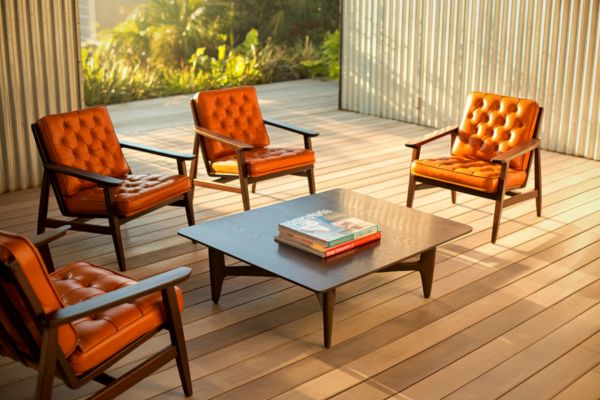
Chairs are more experimental. Think curved backs, molded plastic, or bent plywood. These designs aren’t just about sitting; they’re about visual rhythm. A single well-placed chair can transform the entire feel of a room.
Tables follow the same philosophy. Coffee tables are typically simple, sometimes geometric, sometimes organic in shape. Dining tables often highlight natural wood grains, emphasizing the beauty of the material itself.
What’s interesting is how these pieces feel both vintage and modern at the same time. You could place a classic Mid-Century chair in a contemporary home, and it wouldn’t look out of place—it would probably elevate the entire space.
Color Palettes That Feel Warm and Grounded
Color in Mid-Century Modern interiors is subtle but deliberate. You won’t find overly saturated palettes dominating the room, but you will notice how carefully colors are layered.
Earth tones are foundational—think warm browns, muted greens, and soft mustard yellows. These hues create a grounded atmosphere, making the space feel calm and inviting.
At the same time, there’s often a playful contrast. A pop of burnt orange, teal, or even a dusty pink might appear in a cushion, artwork, or accent chair. These colors don’t overwhelm; they punctuate the room.
Walls are usually kept neutral, allowing furniture and décor to stand out. White, cream, or light gray provides a clean backdrop that enhances the overall composition.
The Role of Materials and Textures
Materials are where Mid-Century Modern design subtly tells its story. There’s a strong preference for natural elements—wood, leather, wool, and metal all make frequent appearances.
Wood, in particular, is central. It’s not just a structural material; it’s a design feature. The grain is often visible, celebrated rather than hidden. Teak, walnut, and oak are especially popular for their rich tones.
Leather adds depth and sophistication, especially in seating. A worn leather chair or sofa can bring a sense of history into the room, even if the rest of the space feels contemporary.
Textiles are used sparingly but thoughtfully. A wool rug, a textured throw, or linen curtains can soften the clean lines of the furniture, making the space feel more lived-in.
Metal accents—often in brass or matte black—provide contrast. They appear in lighting fixtures, table legs, or decorative objects, adding just enough edge to keep things interesting.
Lighting That Doubles as Sculpture
Lighting in Mid-Century Modern interiors is rarely just functional. It’s often sculptural, acting as a focal point rather than fading into the background.
Pendant lights with geometric shapes, arc floor lamps, and sputnik chandeliers are all hallmarks of the style. These pieces draw the eye upward, adding dimension to the room.
What makes them particularly effective is their balance. Even the most striking designs don’t feel excessive. They complement the space rather than overpower it.
Warm lighting is key. Harsh, cool-toned lights can disrupt the cozy atmosphere that Mid-Century Modern interiors aim to create. Instead, soft, ambient lighting enhances the natural materials and colors.
Open Spaces and Thoughtful Layouts
One of the defining characteristics of Mid-Century Modern design is its approach to space. Rooms are often open and fluid, with minimal barriers between different areas.
This doesn’t mean everything is exposed or chaotic. Instead, there’s a sense of intentional flow. Furniture is arranged to encourage movement and conversation, rather than simply filling space.
A living room, for example, might be anchored by a sofa and coffee table, with chairs positioned to create a conversational circle. There’s enough space between pieces to avoid crowding, but not so much that the room feels disconnected.
Storage is integrated seamlessly. Sideboards, built-in shelves, and low cabinets provide functionality without disrupting the visual harmony.
Bringing Nature Indoors
Mid-Century Modern interiors often blur the line between inside and outside. Even if you don’t have floor-to-ceiling windows, you can still capture this feeling.
Houseplants are an easy way to introduce natural elements. Large leafy plants like fiddle-leaf figs or rubber plants fit particularly well with the aesthetic. They add height, texture, and a sense of vitality.
Natural light should be maximized whenever possible. Heavy curtains are usually avoided in favor of sheer or minimal window treatments that allow light to filter through.
Even small details—like a wooden bowl, a stone sculpture, or a ceramic vase—can reinforce the connection to nature.
Artwork and Decorative Accents
Decor in Mid-Century Modern interiors is curated rather than abundant. Each piece is chosen with care, often reflecting personal taste rather than following a strict formula.
Abstract art, geometric prints, and minimalist photography are common choices. Frames are typically simple, allowing the artwork to take center stage.
Decorative objects tend to have clean lines and interesting shapes. A single statement piece on a shelf or table can be more impactful than a cluster of smaller items.
There’s also room for a bit of nostalgia. Vintage clocks, retro ceramics, or even old books can add character without disrupting the overall aesthetic.
Mixing Old and New with Confidence
One of the most appealing aspects of Mid-Century Modern interior design ideas is their flexibility. You don’t need to recreate a 1950s living room to embrace the style.
In fact, mixing vintage pieces with contemporary elements often results in a more dynamic and authentic space. A modern sofa paired with a Mid-Century coffee table, or a vintage chair alongside minimalist décor, can create a balanced and layered look.
The key is consistency in tone and proportion. Even when styles differ, they should feel like they belong together.
This approach also makes the style more accessible. You can gradually incorporate pieces over time, rather than redesigning your entire home at once.
Conclusion: A Style That Endures Without Trying Too Hard
Mid-Century Modern interior design ideas have remained relevant for decades, not because they follow trends, but because they resist them. The emphasis on functionality, simplicity, and natural beauty creates spaces that feel both timeless and personal.
What makes this style truly special is its balance. It’s structured but not rigid, minimal but not empty, stylish but not showy. It invites you to live comfortably while still appreciating thoughtful design.
In the end, a Mid-Century Modern space doesn’t need to be perfect. A slightly worn chair, an unexpected color accent, or a mix of old and new can make it feel more real—more human. And perhaps that’s why it continues to resonate, quietly shaping the way we design our homes even today.