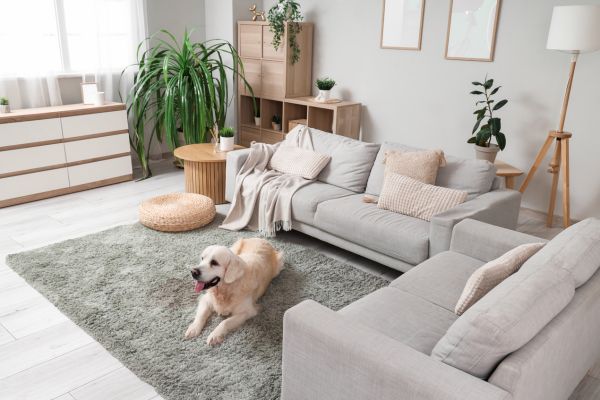
Sharing a home with pets changes the way you look at furniture. A sofa is no longer just a place to sit. It becomes a nap zone, a lookout post, a scratching temptation, a snack station, and sometimes, unfortunately, a place where muddy paws land before anyone can react. That does not mean pet owners have to give up on a beautiful home. It simply means choosing smarter.
The right pet friendly furniture materials can make everyday life easier without making your living room feel cold or overly practical. Good furniture for homes with cats and dogs should be comfortable, durable, easy to clean, and forgiving enough to handle real life. Fur, claws, drool, accidents, and the occasional burst of zoomies are all part of the picture. The best materials do not fight that reality. They work with it.
Why Furniture Material Matters in a Pet Home
When people shop for furniture, they often think about color, shape, price, or style first. Pet owners need to go one layer deeper. The material covering a couch, chair, ottoman, or dining bench can decide how long it looks good and how much effort it takes to maintain.
Some fabrics trap fur so tightly that vacuuming feels like a daily workout. Others stain quickly, snag easily, or absorb odors over time. Smooth, tightly woven, and wipeable surfaces usually perform better in homes with animals. Texture matters too. A loose weave may look cozy in a showroom, but it can invite claws and hold onto pet hair.
Choosing pet friendly furniture materials is less about finding something indestructible and more about finding a balance. You want furniture that can handle everyday pet behavior while still fitting the mood of your home.
Leather and Faux Leather for Easy Cleaning
Leather is often one of the first materials people mention for pet-friendly homes, and for good reason. It does not trap fur the way many fabrics do, and most spills can be wiped away quickly. A damp cloth can handle paw prints, light drool, and small messes before they settle in.
Real leather also develops a natural patina over time, which can make minor scratches feel less noticeable. For some homes, that slightly worn-in look adds character. Still, leather is not perfect. Sharp claws can leave marks, especially if pets jump on and off furniture often. Cats that like to scratch may also see leather as a tempting surface.
Faux leather can offer a similar wipe-clean benefit, often at a lower cost. It is useful for dining chairs, office chairs, and accent pieces. However, lower-quality faux leather may peel or crack over time, especially in busy households. If choosing this route, it is worth looking for a thicker, better-made option rather than the cheapest version available.
Microfiber as a Reliable Everyday Choice
Microfiber has earned its reputation as one of the most practical pet friendly furniture materials. It has a tight weave, which makes it harder for fur, dust, and dirt to sink deep into the fabric. Pet hair usually sits on the surface, so it can be removed with a vacuum, lint roller, or even a slightly damp cloth.
Another reason microfiber works well is that it tends to resist scratches better than many looser fabrics. A dog’s nails or a cat’s casual kneading are less likely to pull threads. It also feels soft, which is helpful because pet-friendly furniture should still feel inviting to people.
Microfiber comes in many colors, but medium tones are often the easiest to live with. Very dark shades may show pale fur, while very light shades can reveal dirt more quickly. A soft gray, warm taupe, muted brown, or textured neutral can hide small marks between cleanings.
Performance Fabrics for Busy Households
Performance fabrics are designed for durability, and they can be a strong option for homes with pets. These materials are usually treated or engineered to resist stains, moisture, and wear. They are commonly used in family-friendly sofas because they can handle spills and frequent use without looking tired too soon.
For pet owners, performance fabric can be especially helpful when accidents happen. A quick cleanup can prevent stains from becoming permanent. Many of these fabrics also resist odor better than absorbent natural materials.
The key is to check the feel and weave. Some performance fabrics are smooth and soft, while others feel slightly stiff. A tight weave is usually best because claws are less likely to catch. The goal is a fabric that feels comfortable enough for daily lounging but tough enough for pets who treat the sofa as part of their personal territory.
Canvas and Denim for Casual Comfort
Canvas and denim may not sound elegant at first, but they can be surprisingly useful in pet-friendly spaces. Both materials are sturdy, casual, and often easier to wash than delicate upholstery fabrics. They work especially well for slipcovered furniture, floor cushions, pet-friendly reading corners, and relaxed family rooms.
A canvas slipcover can be removed and cleaned, which is a huge advantage in a home with pets. Denim has a similar lived-in quality. It does not need to look perfect to look good. In fact, a little fading or softness can make it more appealing.
These materials suit homes that lean casual, rustic, coastal, farmhouse, or laid-back modern. They may not be the best fit for very formal rooms, but for everyday comfort, they are hard to ignore.
Tightly Woven Fabrics Over Loose Weaves
Not every fabric needs to be specially labeled as pet-friendly. Sometimes the weave itself tells you what you need to know. Tightly woven fabrics are usually better than loose, nubby, or open-weave materials. They give claws fewer places to catch and make it easier to remove fur from the surface.
Loose weaves, boucle, tweed, and chunky textured fabrics may look beautiful, but they can be challenging with pets. Cat claws can pull loops. Dog nails can create snags. Fur can settle into the texture and become stubborn. These fabrics are not impossible to use, but they are better saved for low-traffic areas or decorative pieces pets rarely touch.
When touching a fabric sample, run your hand over it and look closely at the surface. If you can imagine claws catching on it, your pet probably can too.
Velvet Can Work, But Choose Carefully
Velvet may seem like a surprising choice for pet owners. Traditional velvet can show marks and attract lint, but some modern synthetic velvets perform better than expected. Their short, dense pile can make pet hair easier to brush away compared with deeply textured fabrics.
The appeal of velvet is obvious. It brings softness, depth, and warmth to a room. For people who want style without fully surrendering to practicality, performance velvet can be a good compromise.
Still, velvet is not ideal for every pet household. It may show pressure marks, paw trails, or moisture spots. If you have a large dog that comes in wet from outside or a cat that scratches upholstery, velvet may require more care than microfiber or leather. It is best for homes where pets are relatively calm or where furniture cleaning is already part of the routine.
Materials to Avoid When You Have Pets
Some materials are simply harder to maintain in a pet home. Silk, linen, chenille, loose boucle, and delicate wool blends can look lovely but may not hold up well under daily pet activity. They can stain, snag, absorb odors, or wear unevenly.
Light-colored untreated fabrics can also be risky, especially with dogs that spend time outdoors. White or cream furniture may look fresh in photos, but in real life it can show every paw mark and bit of fur. That does not mean pet owners can never use light furniture. It just means the material should be washable, stain-resistant, or protected with a removable cover.
Furniture with heavy texture can also become a fur magnet. The more places hair can hide, the harder it becomes to keep the piece looking clean.
Color and Pattern Make a Difference
Material is important, but color and pattern also play a quiet role. A fabric that closely matches your pet’s fur can make shedding less noticeable between cleanings. This does not mean designing your entire home around your dog or cat, but it is a practical detail worth considering.
Patterns, heathered fabrics, and textured color blends can disguise small marks better than flat solid colors. A sofa in a mixed gray fabric, for example, may hide fur and dust better than a smooth black one. Medium shades are often the most forgiving because they do not reveal every speck of dirt or every strand of hair.
Washable Covers and Removable Cushions
Even the best material benefits from smart furniture construction. Removable cushion covers, washable slipcovers, and reversible cushions can extend the life of furniture in a pet home. They give you options when messes happen.
Slipcovered sofas are especially practical because they allow deeper cleaning without replacing the entire piece. Reversible cushions help distribute wear, while removable covers make seasonal refreshes easier. For pet owners, these small features can matter just as much as the fabric itself.
It is also wise to look at zippers, seams, and cushion firmness. Loose seams can become weak points. Soft cushions may show pet nesting more quickly. A well-built piece with durable fabric will always perform better than a stylish but fragile one.
Creating a Home That Works for Everyone
Choosing pet friendly furniture materials does not mean giving up comfort, warmth, or personal style. It means thinking honestly about how your home is used. Pets are not decorations. They live fully in the space, often with muddy feet, shedding coats, playful habits, and strong opinions about the best seat in the room.
Microfiber, leather, faux leather, performance fabrics, canvas, denim, and tightly woven textiles all offer different benefits. The best choice depends on your pet’s behavior, your cleaning habits, and the feeling you want your home to have. A calm senior dog, an energetic puppy, and a furniture-scratching cat may each call for a different approach.
In the end, pet-friendly furniture is really life-friendly furniture. It welcomes the mess, movement, and affection that come with a busy home. With the right materials, your furniture can look beautiful, feel comfortable, and survive the daily joy of living with animals.