A TV stand can take up more space than expected, which is why it can make or break a small apartment living room. The best TV stands for small apartments do more than hold a screen: they control cables, add useful storage, and leave enough floor area for comfortable movement. The goal is not simply to buy the smallest piece available, but to choose a stand whose depth, shape, and proportions work with the room.
What Makes a TV Stand Work in a Small Apartment?
Start with depth. A shallow apartment TV console can preserve valuable inches between the sofa and screen, especially in a narrow living room or studio. Width matters too. A console slightly wider than the TV often looks balanced while leaving room for a router, speakers, or a small lamp.
Measure the TV itself, including the distance between its feet if it uses two separate legs. Then measure the wall, nearby doors, vents, and the main walking route. If a stand blocks a door swing or forces people to squeeze past the coffee table, it is too large even if it technically fits against the wall.
The Best TV Stand Styles for Small Apartments, Ranked
1. Narrow Closed-Storage Media Console: Best Overall
A narrow media console with doors is the most versatile choice for many apartments. It creates a clean horizontal line while hiding game controllers, power strips, spare cables, and streaming boxes. Look for cable openings and adjustable shelves so the interior can adapt as your setup changes.
Closed storage is especially useful in a studio where the living area is always visible from the bed or kitchen. Fewer exposed objects make the room feel calmer. A small living room layouts guide can help with the rest of the furniture plan.
2. Floating TV Console: Best for Preserving Floor Space
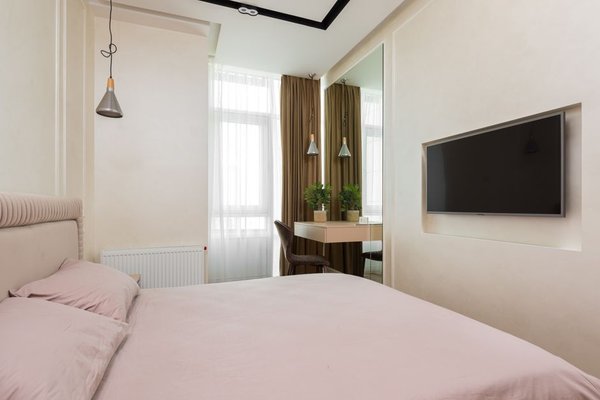
A wall-mounted floating console keeps the floor visible underneath, which can make a compact room feel lighter. It also avoids furniture legs competing with rugs or floor vents. Floating units work particularly well when the TV is wall-mounted and most connected devices are small.
The trade-off is installation. The console must be attached according to the manufacturer’s instructions and the wall must be suitable for the load. Renters should also check their lease before drilling.
3. Corner TV Stand: Best for Awkward Layouts
Some apartments have a window, doorway, or fireplace that makes the obvious TV wall unusable. A corner stand can turn otherwise wasted space into a practical viewing zone. Choose a design that narrows toward the back rather than a full rectangular cabinet pushed diagonally into the corner.
Before buying, tape the stand’s footprint onto the floor and sit in your normal viewing positions. This simple test shows whether the corner improves circulation or forces the sofa into an uncomfortable angle.
4. Pedestal TV Stand: Best for Ultra-Tight Spaces
A pedestal-style stand supports the television from a central column and small base rather than a full-width cabinet. It can suit a bedroom, micro-apartment, or multipurpose room where storage is handled elsewhere. Some models swivel, which is useful when one TV serves both a sofa and dining area.
Check the stand’s stated TV-size, weight, and mounting compatibility before use rather than assuming the screen will fit based on diagonal size alone.
5. Open-Shelf Small TV Stand: Best for Easy Device Access
Open shelving is practical for game consoles, receivers, and devices you want to reach easily. It also tends to look less bulky than a solid cabinet. The key is restraint: when every shelf is filled, a small TV stand can become the busiest object in the room.
Cable sleeves or clips can keep cords controlled behind the unit. Small apartment storage ideas can help reduce visual clutter elsewhere.
6. Slim Console with Sliding Doors: Best for Tight Walkways
Sliding doors are useful in small rooms because they do not need clearance to swing open. That matters when a coffee table, ottoman, or sofa sits close to the TV stand. A slim console with sliding doors combines the tidy look of closed storage with easier access in cramped layouts.
Check that the door track does not block ventilation openings for electronics. Devices that generate heat should have the clearances specified by their manufacturers rather than being packed tightly into an enclosed cabinet.
How to Choose the Right Size Without Crowding the Room
Use painter’s tape to mark the stand’s width and depth on the floor before ordering it. Walk from the kitchen to the sofa, open nearby doors, and pull out dining chairs to see whether the footprint interrupts normal movement. This is more useful than judging dimensions on a product page alone.
For example, a studio resident may find that a deep console fits the wall but narrows the main walkway too much. Switching to a shallower design can create an easier path without reducing TV size. A choosing furniture for a small apartment guide can help with the wider layout.
Safety and Setup Details Worth Checking
Confirm that the top surface or mounting system supports your television, and make sure the TV’s feet sit fully on the stand. Plan where a soundbar, router, console, or streaming device will go, and look for cable-management openings that keep cords controlled.
Use furniture designed to support a television, follow the manufacturer’s assembly and anchoring instructions, and place a freestanding TV on a sturdy, low base. The U.S. Consumer Product Safety Commission continues to recommend securing TVs and furniture to reduce tip-over risks, especially where children may climb or pull on furnishings.
FAQ
What type of TV stand is best for a very small apartment?
A shallow closed-storage console is the best all-round option for many small apartments because it combines a compact footprint with useful storage. If floor space is extremely limited, a properly installed floating console or pedestal stand may work better.
Should a TV stand be wider than the TV?
It often looks more balanced when the console extends beyond the screen, but safe support matters more. The television’s feet or base must sit fully on the surface, and the stand must meet the manufacturer’s weight and support requirements.
Are corner TV stands good for small rooms?
They can be excellent when doors, windows, or awkward walls limit placement. Choose a true corner-shaped design and test its footprint first so it does not project too far into the room.
Is a floating TV console better than a floor-standing one?
A floating console can make the room feel more open and keeps the floor clear, but installation is more demanding. A floor-standing narrow console is easier to move and usually offers more storage.
Choose the Stand That Improves the Whole Room
The best small-apartment setup is the one that makes daily life easier. A good TV stand should support the screen safely, contain the equipment you actually use, and leave comfortable space around nearby furniture. Prioritise shallow depth, sensible storage, stable construction, and a footprint that respects your main walking paths. When those details are right, even a modest apartment TV console can make the living area feel more organised and spacious.