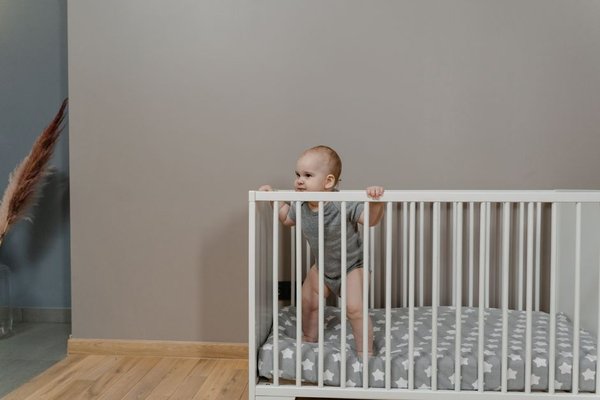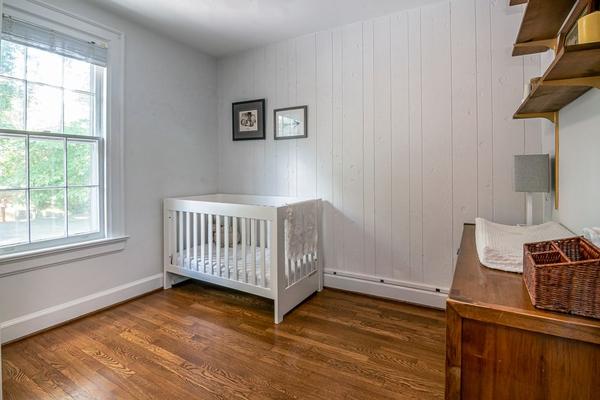
Choosing between a mini crib and a standard crib is mostly a question of space, longevity, and how you expect the nursery to work day to day. A mini crib can make a tight room more usable, while a standard crib gives a growing child more sleeping room and usually stays practical for longer. The better choice is the crib that fits your room comfortably, works with the correct mattress, and can be used safely for your child.
Mini crib vs. standard crib at a glance
In the United States, a full-size crib has standardized interior dimensions of about 28 inches wide by 52 3/8 inches long, with a small permitted tolerance. Mini cribs are classed as non-full-size cribs, so there is no single required mini crib size. A common mini crib mattress is roughly 24 by 38 inches, but actual mini crib dimensions vary by manufacturer and model.
That difference affects mattress shopping. Standard crib mattress sizes are much more consistent, while a mini crib may require a mattress made specifically for that crib. Never assume that any mattress labeled “mini” will safely fit every mini crib.
How much nursery space can a mini crib save?
A mini crib can save meaningful floor space in a small nursery, shared bedroom, or apartment. The difference is especially useful in narrow rooms where a few inches determine whether a closet door opens fully, a dresser can stay in place, or there is a clear route between the door and crib.
Consider an 8-by-9-foot nursery. A standard crib may technically fit along the longest wall but leave a cramped passage beside a changing area. A compact small nursery crib may free enough space to make the room easier to use every morning and night.
Before buying, check the crib’s outside measurements and tape that footprint onto the floor. Do not plan from mattress dimensions alone. Rails, legs, end panels, and storage features can add several inches. Open nearby doors and drawers and walk around the taped outline. This simple test gives a more realistic sense of fit than a product photo.
Related topics worth linking internally include a nursery room dimensions guide, small nursery layout ideas, and a crib mattress size guide.
Which type of crib lasts longer?
A standard crib generally has the advantage for longevity because its sleeping surface is larger. Many children can remain in a full-size crib until they begin climbing out, reach the manufacturer’s stated limit, or are ready for a toddler bed. American Academy of Pediatrics parent guidance recommends moving a child out of a crib when climbing becomes possible and also references 35 inches in height as a common transition point.
A mini crib may be outgrown sooner because the sleep surface is shorter and narrower. There is no universal age when every child must stop using one. Some models specify height, weight, or developmental limits, so the instructions for your exact crib should decide when use ends.
Crib mattress sizes and fit
Full size crib dimensions are standardized, so replacement mattress shopping is relatively straightforward. A full-size mattress should fit tightly and be intended for that type of crib. Mini cribs need more attention because non-full-size cribs can vary significantly in length and width.
For a mini crib, use the mattress supplied with the crib or one specifically identified by the manufacturer as compatible. A poorly fitting mattress can create an unsafe gap at the edges. Do not add a topper, folded blanket, foam, or other padding to compensate for a mattress that does not fit correctly.
Portability and everyday flexibility
Mini cribs often have an advantage when the sleep space needs to move. Many are lighter or narrower, and some include casters or folding frames. They can work well in a grandparent’s home, a multipurpose room, or a bedroom with narrow doorways. A standard crib is usually more of a permanent nursery fixture and may be harder to relocate after assembly.
Safety matters more than crib size
Mini and standard cribs sold in the U.S. are covered by federal safety requirements for their respective categories. Whichever size you choose, use a firm, flat, properly fitting mattress and a fitted sheet. CPSC safe-sleep guidance recommends keeping an infant’s sleep space bare rather than adding pillows, loose blankets, padded bumpers, or toys.
Check the crib for recalls and inspect the hardware, mattress support, and slats before use. Do not use a crib with missing or broken parts. A compact crib is only a good space-saving solution when it is assembled and used exactly as intended.
Which crib should you choose?
A mini crib makes sense when floor space is genuinely limited, portability matters, or you need a secondary sleep space. It is often practical for apartments, shared rooms, and compact nurseries. Just pay closer attention to the exact mattress size and the manufacturer’s use limits.
A standard crib usually makes more sense when the room can comfortably accommodate it, you want easy mattress compatibility, and you prefer a sleep space your child is less likely to outgrow quickly. It can also offer better long-term value when the frame converts into another bed format.
If both options fit, compare actual outside dimensions rather than relying only on “mini” or “standard” labels. A streamlined standard crib can sometimes occupy less floor area than an elaborate mini crib with wide end panels, drawers, or an attached changing surface.
FAQ
What are typical mini crib dimensions?
There is no single standardized mini crib size. Many rectangular models use a mattress around 24 by 38 inches, but dimensions vary. Check the specifications for the exact crib and its approved mattress rather than buying from the “mini” label alone.
Are standard crib mattress sizes all the same?
Full-size crib interiors are standardized in the U.S., so full-size crib mattresses are designed around a consistent footprint. You should still confirm that the mattress is intended for a full-size crib and fits tightly without unsafe gaps.
Can a newborn sleep in a mini crib?
Yes, if the mini crib is designed for infant sleep, meets applicable safety requirements, and is used according to its instructions with the correct firm, flat mattress. The sleep space should remain bare except for a fitted sheet.
Do babies outgrow mini cribs faster?
Often they do because the sleeping surface is smaller, but there is no single age that applies to every child or crib. Follow the product’s height, weight, and developmental limits and stop crib use if your child can climb out.
Making the final choice
A mini crib trades some sleeping area and mattress standardization for a smaller footprint and often easier portability. A standard crib takes more room but offers standardized dimensions, broader mattress compatibility, and generally more room for growth. Measure the nursery, check the crib’s exact outside dimensions, confirm the correct mattress, and think about how long you want the furniture to serve. The right choice should make the room easier to live with while giving your baby a safe, uncluttered place to sleep.