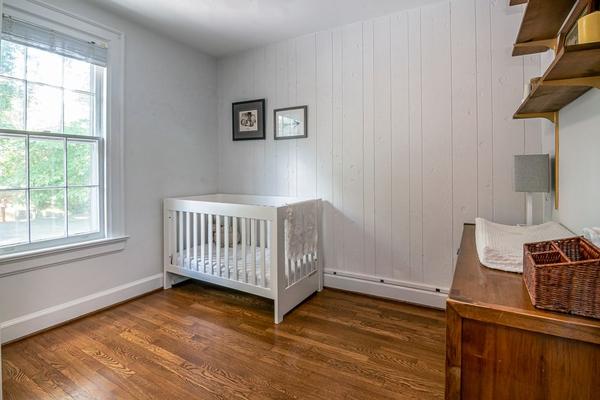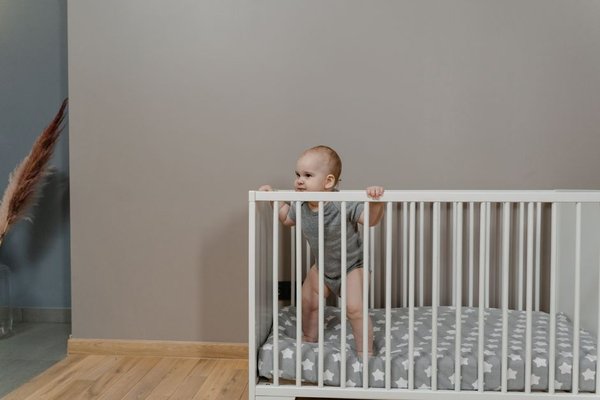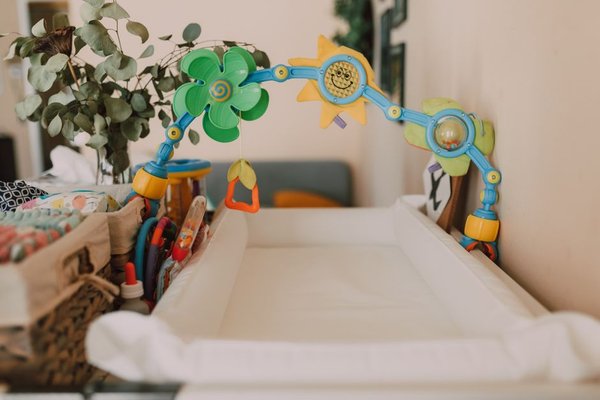
Choosing between a changing table and a dresser is less about which piece is universally “better” and more about how you want the nursery to work now and a few years from now. A dedicated changing table is designed around diaper changes, while a dresser can become a nursery changing station and then continue serving as clothing storage long after diapers are gone.
The best choice depends on floor space, working height, storage needs, and whether you value purpose-built convenience or long-term flexibility.
Changing Table vs. Dresser: The Main Difference
A changing table is built specifically for diapering. Many models include open shelves, drawers, or both, plus a top designed to accept a changing pad or add-on changing unit. This can make supplies easy to reach without opening several drawers while you are steadying a baby.
A dresser is primarily clothing storage. In a dresser changing table setup, the top becomes the changing surface and the drawers hold diapers, wipes, clothes, and other essentials. This arrangement is especially appealing in a small nursery because one piece of furniture handles two jobs.
Storage: Quick Access or Hidden Clutter?
Changing table storage often prioritizes speed. Open shelves let you see spare diapers, wipes, creams, and burp cloths at a glance. That is useful during frequent newborn changes, although baskets may be needed if you prefer a tidier look.
A baby dresser provides more concealed storage. Deep drawers can hold clothing, bedding, diaper refills, and later toddler clothes. Reserve the top drawer for diapering supplies, keep the most-used items closest to your dominant hand, and store bulk packages elsewhere.
Which Works Better in a Small Nursery?
If space is tight, a dresser usually has the advantage because it can replace both a changing station and a separate clothes-storage piece. Before buying either option, mark the furniture footprint on the floor with painter’s tape. Then check whether the room door, closet door, and drawers can all open comfortably. This simple test often reveals whether a piece that looks compact online will actually create a traffic bottleneck.
Think through nursery storage ideas before choosing the changing furniture. Where clothing, spare linens, and diaper refills will live can matter as much as the changing surface itself.
Height and Comfort Matter
Diaper changes happen often, especially in the first months, so working height deserves attention. A surface that is too low can leave you repeatedly bending at the waist, while one that is too high may make it harder to control the baby comfortably.
Dressers vary widely in height. Measure the total height after adding the changing pad, not just the cabinet. If two adults of different heights will handle most changes, make sure both can comfortably reach the middle of the pad while keeping a steady hand on the baby.
Safety Comes Before Furniture Style
Any elevated changing surface carries a fall risk. The American Academy of Pediatrics advises keeping supplies within reach, using the available restraint as directed, and never leaving a baby unattended on a changing surface. A safety strap is an extra safeguard, not a substitute for keeping a hand on the child.
For a purpose-built changing table, follow the manufacturer’s instructions for the pad, restraints, barriers, weight limits, and assembly. In the United States, baby changing products are covered by a federal safety standard addressing areas such as structural integrity, stability, barriers, and restraint systems.
With a dresser, do not assume that placing any loose pad on top automatically creates a safe changing station. Use a changing pad or add-on unit according to its instructions and make sure it is compatible with the furniture. The dresser itself should also be anchored securely to the wall with appropriate anti-tip hardware. That remains important after the diaper stage, when a mobile toddler may pull on drawers or try to climb.
Which Option Lasts Longer?
This is where the dresser usually has the advantage. A well-chosen dresser can remain useful through childhood and potentially beyond. Once diaper changes stop, you remove the changing setup and still have everyday bedroom storage.
A dedicated changing table may have a shorter useful window unless it converts into another type of furniture. Some models can transition into a dresser or shelving unit, but that feature should be confirmed before purchase rather than assumed.
For parents on a budget, consider which choice avoids another furniture purchase later. Good nursery furniture planning can prevent paying for two pieces that ultimately perform overlapping jobs.
When a Changing Table Makes More Sense
A dedicated changing table is a strong choice when you have enough floor space, want supplies visible and immediately accessible, prefer a surface designed specifically for diapering, or have an existing dresser that is too tall, too narrow, or otherwise unsuitable for a safe changing setup.
When a Dresser Makes More Sense
A dresser is often the better fit when the nursery is small, you need substantial clothing storage, or you want furniture that can stay for years. The changing setup can disappear later without replacing the main storage piece.
Imagine a 9-by-10-foot nursery with a crib, one short wall, and a closet door that swings inward. Adding both a dresser and a separate changing table may leave little clear floor area. Using one properly secured dresser as the changing station preserves storage and keeps the middle of the room easier to move through. In a larger nursery, the convenience of a dedicated changing table may outweigh the space savings.
Frequently Asked Questions
Can you use a regular dresser as a changing table?
A dresser can be part of a changing setup if its size, stability, height, and top surface are suitable and the pad or add-on unit is used according to its manufacturer’s instructions. Anchor the dresser securely and keep supplies within reach so you do not need to step away.
Is a changing table safer than a dresser?
Purpose-built changing tables are designed for diapering and are subject to specific safety requirements, but safe use still depends on correct assembly, restraints, supervision, and manufacturer instructions. A dresser setup requires extra care because the furniture was not necessarily designed for diapering.
How long can you use a changing table?
There is no single age that applies to every product. Stop using the changing surface when the child reaches the manufacturer’s stated limit or when the setup is no longer appropriate for the child’s size, mobility, or behavior.
What should be stored closest to the changing surface?
Keep a small supply of diapers, wipes, cream, a change of clothes, and other frequently used essentials within immediate adult reach but out of the baby’s reach. The goal is to complete the change without stepping away from the child.
Choosing the Better Fit for Your Nursery
A changing table offers purpose-built convenience, while a dresser offers flexibility and a longer useful life. If space is limited or you want one piece of furniture to grow with the room, a properly planned dresser setup is often more efficient. If you have room to spare and want quick-access storage, a dedicated unit can make the newborn stage easier. Measure the room, compare working heights, plan your storage, and make safety part of the decision throughout.