Fabric upholstered furniture has a quiet way of making a room feel lived in. It softens sharp corners, adds warmth to open spaces, and gives everyday areas a sense of comfort that is hard to create with bare wood, metal, or plastic alone. A sofa wrapped in textured linen, a velvet accent chair by the window, or a cushioned dining bench in a family kitchen can change not only how a room looks, but also how it feels when people gather there.
That is the real appeal of fabric upholstered furniture. It is not just about decoration. It is about touch, comfort, color, mood, and the small daily rituals that happen around it. A chair becomes a reading spot. A sofa becomes the place where everyone drops at the end of the day. A padded headboard turns a bedroom into something softer and more relaxed. Fabric has a way of inviting people in.
Why Fabric Upholstery Feels So Welcoming
There is something naturally approachable about fabric. Unlike leather, which can sometimes feel cool or formal, fabric often feels warmer from the first moment you sit down. It absorbs light differently, carries texture more visibly, and gives furniture a gentler personality. Even a simple neutral sofa can feel layered and interesting when the weave has depth.
Fabric upholstered furniture also brings a sense of ease to a room. It does not have to look perfect all the time to look beautiful. In fact, many fabric pieces become more charming as they settle into daily life. A slightly softened cushion or a well-used armchair can make a home feel personal rather than staged.
This is one reason fabric furniture works across so many interior styles. It can look casual in a family room, elegant in a formal sitting area, playful in a child’s bedroom, or refined in a modern apartment. The fabric itself does much of the storytelling.
The Role of Texture in a Beautiful Room
Color often gets the most attention when people choose furniture, but texture may be just as important. Fabric upholstery can bring a room to life without overwhelming it. A nubby boucle chair, a smooth cotton sofa, a soft chenille loveseat, or a crisp linen bench can each create a completely different feeling.
Texture matters because it gives the eye something to rest on. In a room filled with flat surfaces, upholstered furniture adds depth. It makes the space feel more layered and comfortable. Even when the color palette is simple, the right fabric can prevent the room from feeling plain.
For example, a beige sofa in a flat, thin fabric may seem ordinary. The same shade in a woven or slubbed fabric can feel relaxed and expensive. A gray chair in velvet may feel moody and polished, while gray in tweed may feel cozy and practical. These small differences shape the entire atmosphere.
Choosing Colors That Work With Daily Life
Fabric upholstered furniture comes in nearly every color imaginable, which is both exciting and slightly dangerous. A bold shade can look wonderful in a showroom or online photo, but the real question is how it will feel every day in your own space.
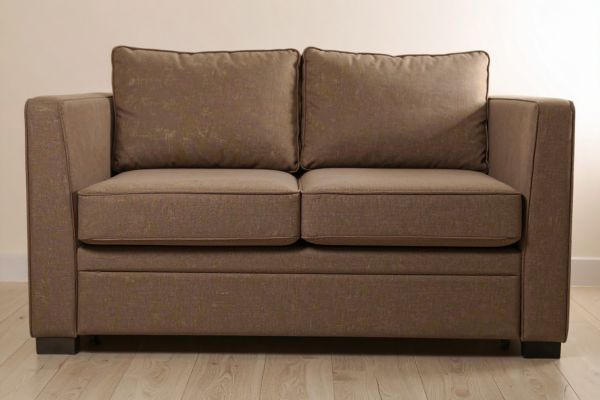
Neutral colors remain popular for a reason. Cream, oatmeal, taupe, gray, charcoal, and soft brown are easy to live with and simple to style around. They allow rugs, curtains, cushions, and artwork to change over time without making the furniture feel outdated. For larger pieces like sofas and sectionals, neutrals are often the safest long-term choice.
That does not mean fabric furniture should be boring. Accent chairs, ottomans, benches, and small upholstered stools are wonderful places to introduce deeper or more expressive colors. A forest green chair, a rust-colored ottoman, or a navy upholstered bed can add character without taking over the room.
Patterns can also work beautifully, especially in smaller doses. Stripes, checks, florals, and geometric fabrics can bring personality into a room, but they need breathing space. When a patterned upholstered piece is surrounded by calmer elements, it looks intentional rather than busy.
Popular Fabric Choices and What They Offer
Every upholstery fabric has its own personality. Some feel crisp and airy, while others feel plush and cozy. Knowing the basic differences can help you choose furniture that fits your lifestyle, not just your taste.
Linen is loved for its relaxed, natural look. It has a slightly casual elegance that works well in bright, airy rooms. It can wrinkle and may require more care, but many people appreciate its lived-in charm.
Cotton is soft, breathable, and familiar. It often feels comfortable and easygoing, though it may stain more easily unless treated or blended with stronger fibers. Cotton blends are common because they offer a balance of comfort and durability.
Velvet brings richness and drama. It catches light beautifully and can make even a simple chair feel special. Modern performance velvets are more practical than older versions, though velvet still tends to show pressure marks and changes in pile.
Chenille is soft, warm, and family-friendly in feel. It has a slightly fuzzy texture that makes sofas and lounge chairs feel especially inviting. It works well in rooms designed for comfort.
Boucle has become popular for its cozy, looped texture. It gives furniture a sculptural, designer look, especially in cream or ivory shades. However, the raised loops may not be ideal for homes with pets that scratch or snag fabric.
Polyester and synthetic blends are often used because they are durable, affordable, and resistant to everyday wear. They may not always have the same natural feel as linen or cotton, but high-quality blends can be very comfortable and practical.
Comfort Is More Than Softness
When people think of comfortable furniture, they often focus on softness. But comfort is more layered than that. Fabric upholstered furniture feels good when the fabric, cushion filling, seat depth, frame shape, and support all work together.
A sofa can look plush but feel awkward if the seat is too deep or too shallow. A chair can have beautiful fabric but still feel uncomfortable if the back angle is wrong. Before choosing a piece, it helps to think about how it will actually be used.
A family movie-night sofa may need deep seats, durable upholstery, and cushions that can handle daily lounging. A reading chair may need firmer support and arms at the right height. A dining chair should feel comfortable but not so soft that people sink too low at the table.
The best fabric upholstered furniture feels natural to use. You should not have to think too much about sitting, leaning, or relaxing. Good design quietly supports the body.
Durability for Real Homes
A beautiful fabric is only useful if it can handle the rhythm of real life. Homes have spills, pets, sunlight, dust, children, guests, and late-night snacks. That does not mean every piece needs to be covered in heavy-duty fabric, but durability should be part of the decision.
Performance fabrics have become popular because they are designed to resist stains, moisture, and wear. They can be a smart choice for busy households, especially for sofas, dining chairs, and family room furniture. Many of these fabrics now look much softer and more stylish than older stain-resistant options.
Fabric weight and weave also matter. Tightly woven fabrics usually hold up better than loose weaves. Darker colors and textured patterns may hide minor marks more easily than flat pale fabrics. Removable cushion covers can be helpful, though not all upholstered furniture is designed for easy cleaning.
If pets are part of the home, it is worth thinking carefully. Smooth, tightly woven fabrics tend to resist hair and snagging better than loose or looped textures. Very delicate fabrics may look lovely, but they can become a daily worry in an active household.
Caring for Fabric Upholstered Furniture
Good care does not need to be complicated. In most homes, regular vacuuming makes the biggest difference. Dust, crumbs, and grit can settle into fabric and slowly wear it down. A soft brush attachment helps keep upholstery fresh without being too rough.
Spills should be handled quickly, but gently. Rubbing can push stains deeper into the fibers or damage the texture. Blotting with a clean cloth is usually safer. It is also important to check the furniture’s cleaning code before using water, soap, or upholstery cleaner, because different fabrics respond differently.
Sunlight is another quiet factor. Direct sunlight can fade fabric over time, especially darker or more saturated colors. If a sofa sits near a bright window, curtains, blinds, or occasional cushion rotation can help reduce uneven fading.
For deeper cleaning, professional upholstery cleaning may be worth considering from time to time, especially for large sofas or heavily used pieces. It can refresh the fabric and extend the life of the furniture.
Styling Fabric Furniture With the Rest of the Room
Fabric upholstered furniture rarely stands alone. It interacts with rugs, curtains, walls, lamps, artwork, and floors. When these elements work together, the room feels complete.
One helpful approach is to balance soft and hard surfaces. A fabric sofa looks grounded with a wooden coffee table. Upholstered dining chairs feel more interesting around a stone or wood table. A soft bed frame pairs beautifully with metal lamps or a simple nightstand.
Layering fabrics also adds comfort. Cushions, throws, curtains, and rugs can echo or contrast with the upholstery. The trick is not to match everything too perfectly. A room feels more natural when textures relate to one another without looking copied. Linen curtains, a wool rug, and a cotton-blend sofa can sit together beautifully because they share softness while still offering variety.
Scale matters too. A large upholstered sectional can make a room feel relaxed and social, but it needs enough space around it. A slim fabric chair can soften a small corner without overwhelming it. The goal is to let the furniture support the room, not crowd it.
Where Fabric Upholstery Works Best
Fabric upholstered furniture can work almost anywhere, but different rooms call for different choices. In living rooms, fabric sofas and chairs create comfort and warmth. They are often the emotional center of the home, where people gather without much formality.
In bedrooms, upholstered headboards and benches add softness. They can make the space feel quieter and more restful, especially when paired with layered bedding and warm lighting.
Dining rooms benefit from upholstered chairs when comfort is a priority. Long meals feel more relaxed when seating has padding and a pleasant fabric. Still, easy-clean fabrics are important here, because dining furniture naturally faces spills.
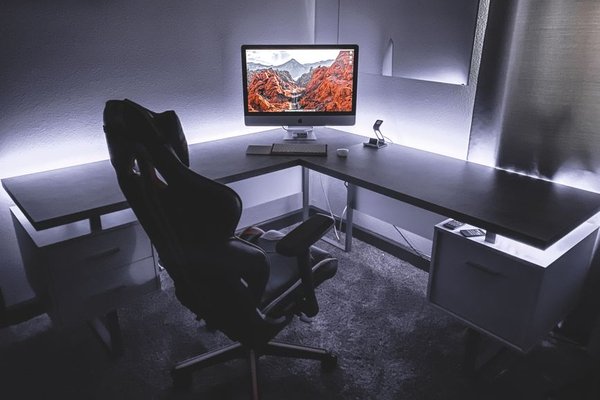
Home offices can also benefit from fabric upholstery. A comfortable upholstered chair or small sofa can make the room feel less rigid and more personal. It breaks up the hard lines of desks, shelves, and screens.
Common Mistakes to Avoid
One common mistake is choosing fabric based only on appearance. A beautiful pale sofa may not be the best fit for a busy household with children, pets, or frequent guests. Another mistake is ignoring scale. Oversized upholstered furniture can make a room feel cramped, while pieces that are too small may look lost.
It is also easy to overlook undertones. A gray fabric can lean blue, green, or brown. A beige can feel warm, yellow, pink, or cool. Seeing fabric samples in the actual room, under natural and evening light, can prevent surprises.
Finally, some people choose matching sets too quickly. A sofa, loveseat, and chair in the exact same fabric can work, but it may also make a room feel flat. Mixing upholstery textures or adding one contrasting chair often creates a more collected, thoughtful look.
Conclusion
Fabric upholstered furniture brings comfort and style together in a way that feels deeply connected to everyday living. It softens a room, adds texture, introduces color, and makes spaces feel more welcoming. Whether it is a simple linen sofa, a velvet chair, a cushioned dining seat, or an upholstered bed, fabric has the power to make furniture feel personal.
The best choice is not always the trendiest fabric or the boldest color. It is the piece that fits the room, supports your daily habits, and still feels good years later. When chosen with care, fabric upholstered furniture becomes more than something to look at. It becomes part of how a home is used, enjoyed, and remembered.