Why Solid Wood Still Holds a Special Place at Home
Solid wood furniture has a way of making a room feel grounded. It carries weight, texture, warmth, and a kind of quiet character that manufactured materials often try to imitate but rarely fully capture. A wooden dining table with visible grain, a sturdy oak wardrobe, or a hand-finished walnut coffee table can instantly make a space feel more lived-in and personal.
Still, choosing solid wood is not always as simple as admiring a beautiful piece in a showroom or online photo. It can be expensive, heavy, sensitive to climate, and sometimes harder to maintain than people expect. That is why understanding the pros and cons of solid wood furniture matters before making a long-term decision for your home.
Solid wood can be a wonderful investment, but it is not automatically the right choice for every room, budget, or lifestyle. Like most good things, it comes with trade-offs.
What Solid Wood Furniture Really Means
Solid wood furniture is made from natural wood boards rather than engineered wood products such as MDF, particleboard, or plywood with a veneer finish. The wood may come from hardwoods like oak, maple, walnut, teak, mahogany, or cherry, or from softwoods such as pine, cedar, and fir.
This does not mean every solid wood piece is built the same way. Some are handcrafted with careful joinery and high-quality finishes. Others are mass-produced with thinner boards, weaker construction, or lower-grade wood. The term “solid wood” tells you something important, but it does not tell the whole story.
The type of wood, drying process, joinery, finish, and craftsmanship all affect durability and appearance. A well-made pine table may serve a family beautifully for years, while a poorly built hardwood piece may disappoint much sooner than expected.
The Natural Beauty of Real Wood
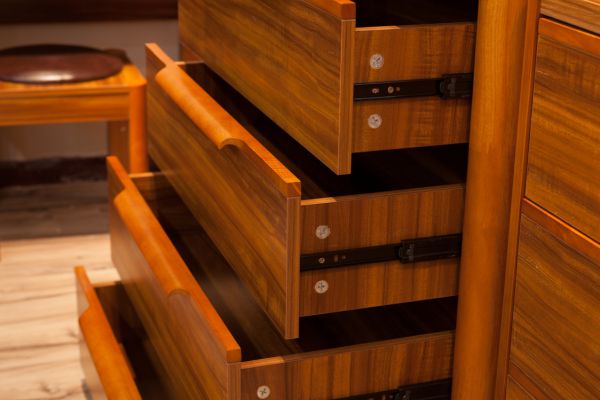
One of the clearest advantages of solid wood furniture is its appearance. Real wood has depth. Its grain patterns, knots, color variations, and natural markings give each piece a slightly different personality. Even two tables made from the same tree can look different once cut, sanded, and finished.
This natural variation is part of the charm. Solid wood does not feel flat or overly perfect. It changes with light, age, polish, and use. A walnut sideboard may deepen in color over time. A pine dresser may develop small marks that make it feel more relaxed and familiar. For many people, that aging process is not a flaw. It is part of the story.
In interiors, wood also works across many styles. It can look rustic, classic, modern, farmhouse-inspired, traditional, Scandinavian, or minimalist depending on the design and finish. Few materials are that flexible.
Strength and Long-Term Durability
Solid wood furniture is often valued because it can last for decades when properly made and cared for. A strong hardwood dining table, bed frame, or cabinet can handle daily use in a way that many lower-cost materials cannot. It is less likely to crumble at screw points, sag under weight, or peel at the edges.
This durability makes solid wood especially appealing for pieces that see heavy use. Dining tables, bookshelves, dressers, desks, and chairs all benefit from strength. If the construction is good, the furniture can often be repaired instead of replaced.
That repairability is a major benefit. Scratches can be sanded. Finishes can be renewed. Loose joints can be tightened. A surface that looks tired after years of use may be refinished and brought back to life. With cheaper laminated furniture, damage often becomes permanent because the surface layer cannot be deeply restored.
A More Timeless Choice
Trends move quickly. One year glossy white furniture is everywhere. Another year, everyone wants matte black, fluted panels, or ultra-slim metal frames. Solid wood tends to outlast these waves because it has a timeless quality.
That does not mean every wooden piece is automatically stylish forever. Shape and design still matter. But simple, well-proportioned wood furniture usually adapts better than highly trend-driven pieces. A clean oak table or a classic teak cabinet can move from one decor style to another without looking completely out of place.
This is one reason people often keep solid wood furniture through moves, renovations, and changing tastes. It may be repainted, refinished, or paired with different fabrics and accessories, but the core piece remains useful.
The Sustainability Question
Solid wood furniture can be environmentally friendly, but it depends heavily on where the wood comes from and how the piece is made. A long-lasting table made from responsibly sourced wood may be a better choice than a cheaper item that ends up in a landfill after a few years.
Longevity matters. Furniture that lasts reduces the need for constant replacement. Solid wood also has the advantage of being natural and repairable, which can extend its useful life even further.
However, not all wood is sourced responsibly. Some furniture may contribute to deforestation or poor forestry practices. This is why buyers often look for reclaimed wood, locally made pieces, or furniture from suppliers that clearly explain their sourcing. The material itself has potential, but the ethics behind it deserve attention.
The Higher Cost of Solid Wood
The most obvious downside is price. Solid wood furniture usually costs more than furniture made from particleboard, MDF, or veneer-covered materials. The cost comes from the raw material, drying process, craftsmanship, transportation, and finishing.
For someone furnishing an entire home on a tight budget, solid wood may feel unrealistic. Even a single dining table or wardrobe can take up a large part of the budget. This is especially true for premium hardwoods like walnut, teak, and oak.
The higher price is not always a bad thing if the piece lasts for many years, but the upfront cost can still be difficult. It is important to think honestly about how long you plan to keep the furniture, how heavily it will be used, and whether the investment makes sense for that particular room.
Weight and Moving Challenges
Solid wood is heavy. That sturdiness feels reassuring once the furniture is in place, but it can be frustrating when moving, rearranging, or carrying items upstairs. A large wooden bed, cabinet, or dining table may require two or more people to shift safely.
This is worth considering if you rent, move often, live in an apartment, or enjoy changing your room layout regularly. Lightweight furniture is easier to transport and reposition. Solid wood asks for more commitment. Once it settles into a room, it usually wants to stay there.
The weight can also matter for flooring. Very heavy pieces may leave marks on softer floors if not placed carefully. Floor protectors and thoughtful placement can help, but it is still something to keep in mind.
Sensitivity to Moisture and Temperature
Wood is natural, and natural materials respond to their surroundings. Solid wood can expand, contract, warp, or crack when exposed to major changes in humidity and temperature. This is one of the most important practical disadvantages.
A wooden table placed near strong sunlight may fade or dry out unevenly. A cabinet in a damp room may swell. A table exposed to frequent spills may develop stains or raised grain if the finish is weak or damaged. Even central heating and air conditioning can affect wood over time.
This does not mean solid wood is fragile, but it does need reasonable care. Coasters, placemats, gentle cleaning, and stable indoor conditions can make a big difference. Kitchens, bathrooms, and very humid spaces require extra caution.
Maintenance Takes Some Attention
Solid wood furniture is not usually difficult to maintain, but it does need more thought than wipe-and-forget materials. Dusting, cleaning with appropriate products, avoiding harsh chemicals, and protecting surfaces from heat and water are all part of the routine.
The finish matters too. Oiled wood may need occasional re-oiling. Waxed surfaces may need refreshing. Varnished or lacquered pieces may be easier to clean but can still scratch. Over time, even durable finishes wear down.
Some people enjoy this care. They like polishing a table or watching wood regain its richness after maintenance. Others may find it inconvenient. If you prefer furniture that requires almost no attention, solid wood may feel demanding.
Scratches, Dents, and Everyday Marks
Solid wood is strong, but it is not immune to damage. Softer woods like pine can dent easily. Even hardwoods can scratch if keys, sharp objects, pet claws, or rough dishes move across the surface. Children’s toys, hot cups, and spilled drinks can also leave signs behind.
The interesting thing is that these marks are not always considered negative. Some people feel they add character. Others prefer a flawless surface and may feel frustrated by visible wear.
The good news is that many scratches and marks can be repaired, especially on unfinished or refinishable surfaces. But repair takes time, effort, and sometimes professional help. The ability to restore wood is a benefit, yet it does not mean damage disappears on its own.
When Solid Wood Is Worth It
Solid wood furniture is often worth considering for pieces you expect to use for a long time. A dining table, bed frame, chest of drawers, desk, or bookshelf can justify the investment because these items carry weight, face daily use, and often remain part of a home for years.
It may be less necessary for temporary furniture, children’s rooms that will change quickly, rental setups, or pieces you only need for a short period. In those cases, a lower-cost option may be more practical.
The best choice depends on lifestyle. A family that gathers around the same table every evening may find solid wood deeply worthwhile. Someone moving cities every year may prefer something lighter and easier to replace.
Conclusion
The pros and cons of solid wood furniture come down to beauty, durability, cost, care, and lifestyle. Solid wood offers natural warmth, strength, repairability, and long-term appeal. It can become part of a home in a way that feels personal and lasting. At the same time, it is heavier, more expensive, and more sensitive to moisture, heat, and everyday wear than many people expect.
Choosing solid wood is not just about buying furniture. It is about deciding what kind of relationship you want with the things in your home. If you value lasting materials and do not mind a little maintenance, solid wood can be a deeply satisfying choice. If convenience, low cost, or easy moving matters more right now, it may be better to choose selectively. Either way, knowing the trade-offs helps you buy with clearer eyes.