Glass furniture has a quiet way of changing a room. It does not always shout for attention, yet it can make a space feel brighter, lighter, and more refined almost instantly. Whether it is a sleek coffee table, a dining table with a sculptural base, or a glass-front cabinet that shows off treasured pieces, glass brings a certain openness that heavier materials often cannot achieve.
The best glass furniture ideas are not only about creating a modern look. They are about balance. Glass can soften a small room, add polish to a simple layout, and help different design elements feel connected. Used thoughtfully, it can make a home feel spacious without making it feel cold, elegant without feeling overly formal, and stylish without trying too hard.
Why Glass Furniture Works So Well in Modern Homes
One of the main reasons glass furniture remains popular is its visual lightness. Unlike solid wood or bulky upholstered pieces, glass allows the eye to travel through it. This gives a room more breathing space, which is especially useful in apartments, compact living rooms, narrow hallways, and open-plan homes.
Glass also reflects light beautifully. A well-placed glass table near a window can help natural light move around the room. In the evening, it can catch the glow from lamps, candles, or pendant lights, adding a subtle sense of warmth. This is why glass often works well in rooms that feel dark, crowded, or a little flat.
Another advantage is flexibility. Glass pairs easily with metal, wood, stone, rattan, leather, and fabric. It can look clean and contemporary with chrome or black steel, softer with warm oak, and more luxurious with brass or marble. That makes it useful across many interior styles, from minimalist and Scandinavian to classic, industrial, coastal, and glam.
Glass Coffee Tables for a Lighter Living Room
A glass coffee table is one of the easiest ways to introduce glass into a living space. It gives the room a central point without making the seating area feel heavy. This is particularly helpful if your sofa is large, your rug has a bold pattern, or your living room already includes darker furniture.
A clear glass coffee table with thin metal legs can feel almost invisible, which works well in small rooms. For a warmer look, a glass top with a wooden base brings in natural texture while keeping the surface light. If you like a more dramatic style, a smoked glass table can add depth without looking too harsh.
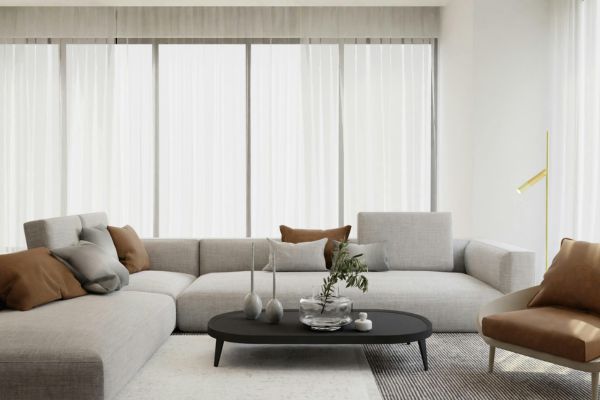
The shape matters too. Round glass coffee tables soften rooms with many straight lines, while rectangular tables suit longer sofas and structured layouts. Oval glass tables are a nice middle ground because they feel elegant and are easier to move around than sharp-cornered designs.
Styling should stay simple. A stack of books, a low bowl, a candle, or a small vase is usually enough. Because the surface is transparent, clutter can show quickly. The beauty of glass furniture is often in the space it creates, so leaving a little emptiness is part of the look.
Glass Dining Tables That Feel Open and Elegant
A glass dining table can completely change the mood of a dining area. It brings sophistication, but it also helps the room feel less crowded. This is useful when the dining space is part of a kitchen or living room, where too much visual weight can make everything feel busy.
A clear glass dining table works beautifully with statement chairs because it lets the chairs become part of the design. You can choose upholstered dining chairs for softness, wooden chairs for warmth, or metal chairs for a sharper modern edge. Since the table itself feels airy, you have more freedom to play with texture around it.
For a more grounded look, consider a glass tabletop with a strong base. A sculptural wooden base can create an artistic feel, while a stone or metal base adds drama. The contrast between the transparent top and the solid base often becomes the most interesting part of the room.
Glass dining tables do require a little care. Fingerprints, water marks, and dust are more visible than they are on wood. Still, for many homes, the trade-off is worth it. The table feels bright, clean, and timeless, especially when paired with soft lighting and a well-chosen rug underneath.
Glass Consoles for Hallways and Entryways
Hallways and entryways are often narrow, so bulky furniture can make them feel cramped. A glass console table solves this problem beautifully. It gives you a place for keys, decorative objects, or a table lamp without blocking the visual flow of the space.
A slim glass console against a wall can make even a small entrance feel more polished. If the frame is brass, the look becomes warm and slightly glamorous. If the frame is black metal, it feels more architectural. A fully transparent acrylic-style glass console can almost disappear, which is perfect when the goal is function without heaviness.
For styling, a mirror above the console works especially well. Glass and mirrors both reflect light, so together they can make an entryway feel much brighter. Add a small tray, a vase with branches, or a simple lamp, and the area feels finished without becoming crowded.
Glass Shelving for Display Without Bulk
Glass shelves are ideal when you want storage or display space without visually closing off a wall. They work well in living rooms, bathrooms, kitchens, home offices, and even bedrooms. Because they do not look heavy, they allow decorative pieces to stand out more clearly.
In a living room, glass shelves can display ceramics, framed photos, books, or small sculptures. In a bathroom, they keep toiletries and towels accessible while maintaining a clean, spa-like feeling. In a kitchen, glass shelves can hold cups, jars, or pretty serving pieces without making the wall feel overloaded.
The key is restraint. Glass shelving looks best when it is not packed too tightly. Leave room between objects so each piece can breathe. Mixing different heights and textures creates interest, but too many small items can quickly look messy. A few well-chosen pieces will usually have more impact than a crowded display.
Glass Cabinets for a Refined Storage Solution
Glass-front cabinets are a lovely compromise between open shelving and closed storage. They protect items from dust while still allowing them to be seen. This makes them useful for dining rooms, kitchens, living rooms, and home libraries.
A cabinet with clear glass doors feels classic and elegant, especially when used for dishes, glassware, or books. Fluted glass, on the other hand, has become a popular choice because it partially hides what is inside. It gives a soft, textured look while still keeping the furniture light and interesting.
Smoked glass cabinets bring a moodier, more contemporary feel. They are especially effective in rooms with deeper color palettes, such as charcoal, navy, walnut, or dark green. The glass adds shine, while the darker tone keeps the piece from feeling too delicate.
Lighting inside a glass cabinet can make a big difference. A soft internal glow turns ordinary storage into a feature, especially in the evening. It does not need to feel dramatic. Even subtle lighting can make displayed items feel more intentional.
Glass Side Tables for Small Corners
Side tables are a smart place to experiment with glass furniture ideas because they do not dominate the room. A glass side table beside a sofa, armchair, or bed adds function while keeping the corner visually open.
In a living room, a small glass table can hold a lamp, drink, or book without competing with the main furniture. In a bedroom, glass bedside tables can make the space feel lighter, especially if the bed frame or wardrobe is large. For compact rooms, this can be a simple but effective design trick.
Nesting glass tables are also worth considering. They can be pulled out when needed and tucked away afterward. This makes them practical for entertaining, small apartments, or flexible living spaces. Because they are transparent, even a set of tables does not feel as bulky as solid pieces might.
Mixing Glass with Warm Materials
Glass is beautiful, but too much of it can sometimes make a room feel cold. The easiest way to avoid this is to pair it with warm materials. Wood, woven textures, soft textiles, and natural fibers can balance the sleekness of glass and make the space feel more inviting.
A glass coffee table on a wool rug feels warmer than one placed directly on bare flooring. A glass dining table with fabric chairs feels softer than one surrounded only by metal. A glass shelf against a painted wall can feel more relaxed when styled with ceramics, books, or wooden accessories.
This balance is what makes glass furniture work in real homes. It does not have to create a showroom effect. In fact, glass often looks best when it sits among comfortable, lived-in details. A linen sofa, a textured throw, a handmade bowl, or a leafy plant can stop the room from feeling too perfect.
Choosing the Right Type of Glass
Not all glass furniture has the same effect. Clear glass feels open, clean, and modern. It is ideal when you want the furniture to blend into the room. Smoked glass feels moodier and more dramatic, making it suitable for contemporary spaces or rooms with deeper colors.
Frosted glass offers privacy and softness. It works well for cabinets, desks, or partitions where you want light to pass through but do not want everything fully visible. Fluted or ribbed glass adds texture and character. It has a slightly vintage charm but still feels current when used with simple shapes.
Tempered glass is commonly used for furniture because it is stronger and safer than regular glass. For tables and shelving, this matters. It is always worth choosing pieces that feel sturdy, stable, and suitable for daily use, especially in busy households.
Keeping Glass Furniture Practical
Glass furniture can be very livable, but it does ask for regular cleaning. Dust, fingerprints, and smudges tend to show more easily, particularly on tabletops. A soft cloth and a gentle glass cleaner are usually enough for everyday care.
Placement also matters. In homes with young children or pets, rounded corners and thicker glass may be better options. Avoid placing glass furniture in areas where it is likely to be bumped often. For dining tables and coffee tables, choosing stable bases and well-made designs is more important than chasing a delicate look.
It is also helpful to think about what will be visible through the glass. For example, a glass coffee table will show the rug underneath, so the rug becomes part of the overall design. A glass desk may reveal cords or storage boxes, so keeping the surrounding area tidy becomes more important.
Conclusion
Glass furniture ideas can bring a fresh sense of space, brightness, and elegance into almost any home. The appeal of glass lies in its ability to be present without feeling heavy. It can make small rooms feel larger, highlight beautiful textures, and add a quiet layer of refinement to everyday spaces.
The secret is using it with care. A glass coffee table, dining table, console, shelf, cabinet, or side table can all work beautifully when balanced with warmth, texture, and practical styling. Rather than filling a home with too much glass, choose the pieces that solve a design problem or enhance the feeling you want in the room.
When used thoughtfully, glass furniture does more than decorate. It opens the room, catches the light, and lets the rest of your home breathe.