There is something quietly reassuring about furniture made from real wood. It has weight, texture, grain, and presence. It ages in a way that feels natural rather than worn out, and it often becomes more appealing with time. In a world full of quick manufacturing and disposable interiors, solid wood furniture continues to hold its place because it offers something many modern materials cannot: authenticity.
A wooden dining table marked by years of family meals, a bookshelf that moves from one home to another, or a bed frame that remains sturdy decade after decade carries more than function. It carries memory. That lasting quality is one reason people continue to choose solid wood furniture for homes of every style.
It is not only about tradition. It is also about durability, craftsmanship, and the comfort of living with materials that feel honest.
What Solid Wood Furniture Really Means
The term solid wood furniture refers to pieces made primarily from natural lumber rather than particleboard, fiberboard, or thin veneers over engineered cores. That means tabletops, frames, drawers, legs, and structural elements are crafted from real wood sections.
This does not always mean a piece is made from one uninterrupted slab. Many quality items are built from joined boards, which is common and often structurally smart. What matters is that the material itself is genuine wood rather than imitation surfaces.
Because wood is a natural material, no two pieces are identical. Grain patterns shift, knots may appear, and color varies subtly. Those details are often considered flaws only by people expecting factory uniformity. To many others, they are exactly the point.
Why Real Wood Has Enduring Appeal
Furniture trends come and go. One decade loves glossy finishes, another prefers minimalist metal, then suddenly rustic textures return. Through all of it, wood remains relevant.
Part of that appeal comes from warmth. Wood softens a room in a way glass or plastic rarely can. Even in modern interiors, a walnut console or oak table can keep a space from feeling cold.
There is also a psychological comfort in natural materials. Grain patterns, earthy tones, and tactile surfaces create a sense of calm. People may not always articulate it, but they feel it.
Then there is longevity. Many households still use wooden dressers, cabinets, and tables that are older than the people living with them. That says plenty.
Popular Wood Types and Their Character
Different woods bring different personalities into a room.
Oak is known for strength and visible grain. It suits both traditional and contemporary homes, depending on finish.
Walnut tends to be darker, smoother, and elegant without trying too hard. It often feels sophisticated but approachable.
Maple is dense and lighter in tone, with a cleaner look that works beautifully in modern spaces.
Cherry deepens in color over time, developing a rich warmth many people love.
Pine is softer and often more casual in appearance. It carries charm, especially in relaxed or cottage-style interiors.
Each species has strengths, but the right choice often comes down to mood as much as mechanics.
Strength That Goes Beyond Surface Beauty
One of the strongest arguments for solid wood furniture is right there in the name: strength.
Well-built wood furniture can handle daily life remarkably well. Chairs are used, tables are leaned on, drawers are opened thousands of times. A properly made wooden piece often tolerates all of that with grace.
Unlike some lower-cost alternatives, real wood can also be repaired. Scratches may be sanded. Loose joints can be restored. Surfaces can be refinished. Damage does not always mean disposal.
That repairability changes the relationship people have with furniture. Instead of replacing, they restore. Instead of discarding, they maintain.
How Solid Wood Ages Over Time
Not every material improves with age. Wood often does.
A dining table may gather small marks from plates, books, and elbows. Sunlight may slightly deepen the tone. Edges become smoother through touch. Rather than looking ruined, the piece often develops character.
This is especially true when finishes are chosen wisely. Oil finishes can be refreshed. Waxed surfaces mellow beautifully. Even lacquered pieces can maintain their charm if cared for properly.
There is a quiet dignity in furniture that records life instead of resisting it.
Solid Wood in Different Rooms
Wood furniture works nearly everywhere, though each room asks for something different.
In dining rooms, solid wood tables are often the centerpiece. They invite gathering, conversation, and daily use.
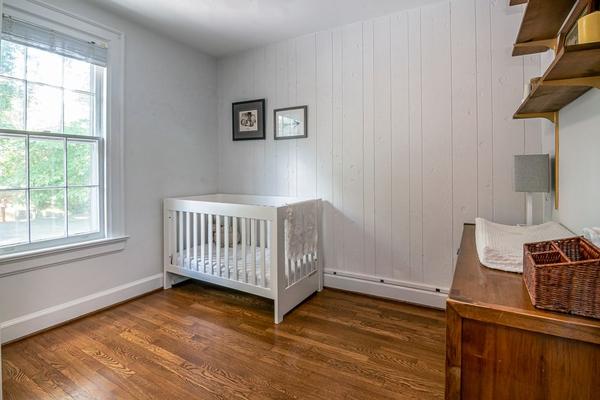
In bedrooms, wooden bed frames and dressers add warmth and permanence. They make the room feel grounded.
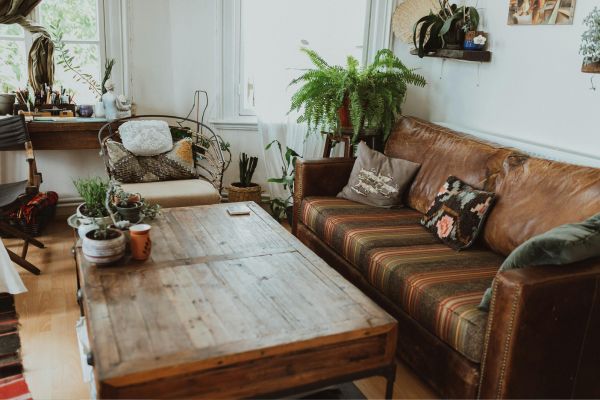
In living rooms, coffee tables, media units, and sideboards can introduce texture and balance softer furnishings.
In home offices, a wooden desk often feels more substantial and calming than synthetic alternatives.
Even small additions matter. A single wooden bench in an entryway can shift the whole tone of a space.
Modern Design and Traditional Craft Can Coexist
Some people hear “wood furniture” and imagine heavy carved pieces from another era. That image is incomplete.
Today’s solid wood furniture ranges from farmhouse tables to sleek Scandinavian forms, mid-century silhouettes, minimalist Japanese-inspired frames, and clean contemporary storage pieces.
Wood is versatile because it can be shaped into almost any language of design. Slim legs, floating lines, curved edges, matte finishes, bold stains, pale natural tones—it all exists.
Traditional craftsmanship and modern aesthetics are not opponents. They often work best together.
Caring for Solid Wood Furniture
Wood asks for some respect, though not constant worry.
Extreme moisture, harsh heat, and prolonged direct sunlight can stress the material. Coasters, placemats, and basic awareness help.
Dusting with a soft cloth and occasional cleaning with suitable products usually goes a long way. Some finishes benefit from conditioning oils, while others simply need gentle cleaning.
The key is understanding that wood is alive in the sense that it responds to environment. It expands and contracts slightly with humidity. That movement is natural, not a defect.
When cared for sensibly, wood rewards patience.
Sustainability and Thoughtful Ownership
Furniture made cheaply and discarded quickly carries environmental cost. Pieces built to last can reduce that cycle.
Solid wood furniture is not automatically sustainable in every case. Responsible sourcing matters. Forestry practices matter. Manufacturing choices matter. But durability itself is an important part of sustainability.
A table used for thirty years often creates a different footprint than three disposable tables bought in the same period.
Ownership becomes slower, more intentional, and often more satisfying.
Is Solid Wood Worth the Investment
Real wood furniture can cost more upfront, and that reality matters. But value is not always measured at checkout alone.
A sturdy dresser that lasts decades may ultimately cost less than repeated replacements. A table that can be refinished may outlive trends entirely. Pieces that remain useful through moves, renovations, and family changes often prove their worth quietly over time.
Sometimes the smartest purchase is the one you do not need to make again.
Choosing the Right Piece for Your Home
When selecting wood furniture, construction deserves as much attention as appearance. Joinery, drawer movement, stability, finish quality, and proportion all matter.
Scale matters too. A magnificent table that overwhelms the room is less successful than a simpler one that fits beautifully.
And perhaps most importantly, choose pieces you genuinely enjoy living with. Furniture becomes part of daily rhythm. You pass it in the morning, use it at night, gather around it on weekends.
That relationship should feel easy.
Conclusion
Solid wood furniture endures because it offers more than style. It brings strength, warmth, repairability, and a kind of quiet beauty that deepens with time. In an age of fast choices and short lifespans, real wood remains refreshingly patient.
It asks us to think long-term, to value materials honestly made, and to appreciate objects that grow alongside our lives. That may be why wooden furniture never truly goes out of fashion. It is not chasing trends. It is simply built to stay.