Choosing a bed frame can feel surprisingly complicated. Two beds may look similar yet use different support systems, occupy different amounts of space, and require different mattress foundations. Understanding the main bed frame types makes it easier to compare more than just headboards.
Start with three questions: How much space can the bed occupy, what support does your mattress need, and how do you want the room to feel? The answers quickly narrow your options.
First, Separate Style From Mattress Support
A bed frame is the structure surrounding or holding the mattress. Its appearance might be minimalist, upholstered, or traditional. Underneath, support may come from wooden slats, a solid platform, a foundation, or an adjustable base. These related choices are not interchangeable.
For example, a decorative panel bed might need a separate foundation, while a platform bed often has built-in slats. Check the specifications: a frame sold without slats or a center beam may cost more to complete than expected.
Common Types of Bed Frames Explained
Platform Beds: Streamlined and Practical
A platform bed supports the mattress on a built-in surface, usually slats or a solid deck. Many do not require a separate box spring, simplifying setup and creating a lower profile.
Platform frames suit modern bedrooms and anyone who prefers clean lines. However, platform does not necessarily mean low to the floor: some designs have tall legs and storage clearance. Check slat spacing and load ratings against your mattress manufacturer’s guidance.
Panel Beds: A Classic Framed Look
A panel bed usually has a prominent headboard, side rails, and often a matching footboard. Traditional versions commonly use a separate mattress foundation, although some modern models include supportive slats.
This style works when the bed should feel like substantial furniture. Measure the full outside dimensions, especially if a footboard projects into the walking area. A queen mattress may fit even when its frame feels too long.
Sleigh Beds: Curved and Statement-Making
Sleigh beds feature outward-curving headboards and sometimes footboards. Wood versions feel traditional and substantial; upholstered versions can appear softer and more contemporary.
The trade-off is their footprint. Curved ends take space a simpler frame would leave free. In a narrow room, extra length may obstruct dresser access or walking space.
Canopy Beds: Height and Architectural Interest
A canopy bed uses four tall posts connected by an upper frame, sometimes designed for fabric panels. Even without curtains, it creates a distinctive outline and draws the eye upward.
Measure ceiling height, ceiling fans, pendant lights, and sloped ceilings before buying. Open metal canopy frames often feel airy; thick timber posts create a stronger statement. Leave enough clearance for assembly.
Upholstered Beds: Comfort Around the Edges
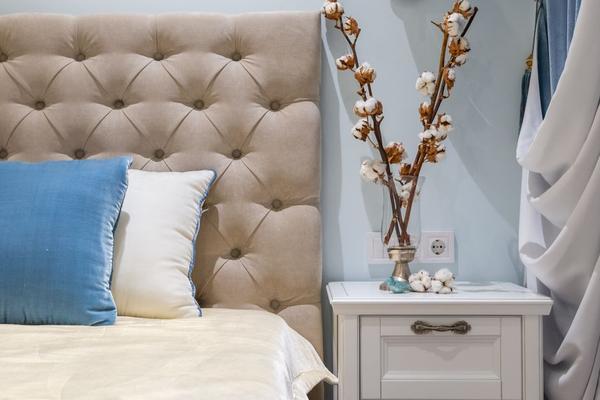
Upholstered frames wrap the headboard, sometimes the rails, in fabric or padding. They appeal to people who sit up to read or watch television, especially with a generously cushioned headboard.
Think about pets, dust, spot cleaning, and textured fabrics. Upholstery changes the room’s feel, but the underlying mattress support still needs checking.
Metal Beds: Light-Looking and Versatile
Metal frames range from slim industrial styles to decorative vintage designs. Their open construction can make a small room feel less crowded than a bed with heavy wooden rails.
Quality matters more than the material label. Inspect joints, center support, weight capacity, and anti-rattle features. A well-built metal frame can be sturdy; loose connections may squeak.
Storage Beds: Furniture That Works Harder
Storage beds include drawers beneath the mattress or a lift-up compartment. They are useful when closets are small or seasonal bedding needs a home.
Drawers need side clearance, while lift-up designs need accessible opening space. Check whether bedside tables interfere with drawers and whether stored items are easy to reach.
Adjustable Beds: Positioning Comes First
An adjustable base raises the head, feet, or both through a powered mechanism. It may fit inside a compatible decorative frame, but not every frame accommodates its movement.
If adjustability matters, choose a compatible base and mattress first. Confirm the surrounding frame will not obstruct moving sections, controls, legs, or wiring.
How to Match a Bed Frame to Your Bedroom
Consider the room from its doorway. A sleigh or panel bed can anchor a generous room, while a platform or open metal frame may preserve a calmer sightline in a compact space. A canopy adds height and drama.
Finish matters too. Wood brings grain and warmth; painted frames coordinate easily; fabric softens hard edges. Explore bedroom furniture layout ideas to see how different silhouettes affect circulation.
Also consider the finished sleeping height. A thick mattress on a tall foundation may feel difficult to climb onto, while a thin mattress on a low platform can make standing up less convenient.
The Support Checklist That Prevents Expensive Mistakes
Before ordering, verify mattress size, internal mattress dimensions, and the frame’s total footprint. Check whether slats, a center support beam, legs, or a separate foundation are included. Some brands package components separately even when included in the price.
Follow your mattress maker’s support requirements rather than assuming every slatted base will work. Slat spacing, center support, foundation type, and warranty requirements can differ. Review the frame’s weight capacity and assembly instructions.
Picture a bedroom with a closet door beside the bed. A storage frame with side drawers might look ideal online but become frustrating daily. A platform bed with open clearance, or storage accessible from the foot, may fit better. Mark door swings and drawer extension with painter’s tape before ordering.
Compare the complete cost: frame, missing support parts, delivery, assembly, and any required foundation. A mattress size guide can help you double-check measurements before purchase.
Frequently Asked Questions
What is the difference between a platform bed and a panel bed?
A platform bed is defined mainly by built-in mattress support. A panel bed is defined mainly by its headboard, rails, and often a footboard. Some models combine both features.
Do all bed frames need a box spring?
No. Many platform beds support compatible mattresses directly. Some panel frames need separate foundations, while others include slats. Follow frame and mattress manufacturer instructions.
Which bed frame type is best for a small bedroom?
A simple platform or open metal frame often looks less bulky. A storage bed may work better if it replaces a dresser and its compartments have room to open.
Can a canopy bed work with a standard ceiling?
Sometimes. The deciding factors are assembled height, ceiling fixtures, and safe clearance. Measure carefully rather than relying on product photographs.
Choose the Construction Before the Decoration
The best bed frame balances support, access, available space, and personal style. Compare construction first, then choose the appearance you enjoy. That approach helps avoid a beautiful frame that does not fit your room or mattress.