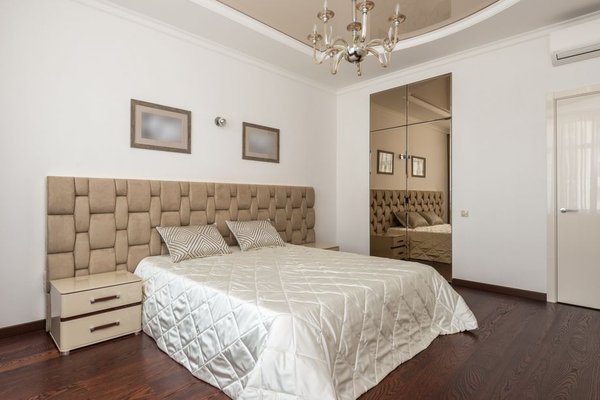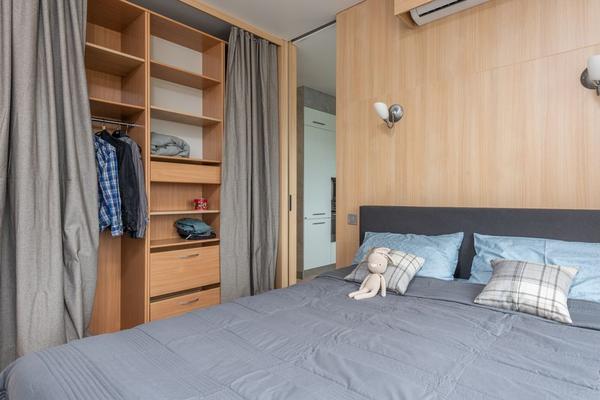
Bedroom furniture has to do more than look good under showroom lighting. A bed carries weight nightly, drawers are pulled open for years, and bedside surfaces encounter spills and scuffs. The right bedroom furniture materials depend on how each piece will be used, how much maintenance you accept, and what you can spend. Examine the construction beneath the finish, not just the colour or wood grain.
Solid Wood: Long-Term Appeal With Some Upkeep
Solid wood furniture is built primarily from natural timber rather than a manufactured board with a decorative surface. Oak, maple, walnut, and pine all appear in bedrooms, although their hardness, grain, and cost differ. A well-made solid wood dresser can often be repaired or refinished after scratches, giving it an advantage over less repairable alternatives.
Yet joints, hardware, and finish quality still decide how well it performs. Timber expands and contracts with humidity, so dampness or heat can cause movement or cracks. Expect substantial weight and often a higher price. Check which parts are actually solid: a solid top may sit above engineered sides or drawers.
Wood Veneer: Genuine Grain on a Different Core
Wood veneer is a thin layer of real timber attached to a substrate such as plywood or MDF. It delivers natural grain while reducing the amount of expensive wood needed. Good veneered furniture suits dressers, wardrobes, and bedside tables, particularly when consistent panel surfaces matter.
The limitation is refinishing. Light damage may be touched up, but deep sanding can remove the veneer. Water entering damaged seams can affect the core. Ask about the backing material, edge finishing, and protective coating before deciding.
Engineered Wood: MDF, Particleboard, and Plywood
Engineered wood furniture is a broad category, not a single quality level. MDF consists of compressed wood fibres and binder; its smooth surface works well for painted fronts. Particleboard uses bonded wood particles and is common in affordable flat-pack storage. Plywood uses bonded layers of wood and, when properly specified, can make a strong structural panel.
These materials often cost less and provide more uniform surfaces than solid timber. Weaknesses appear at exposed edges, overloaded shelves, and fasteners repeatedly removed and reinstalled. Many particleboard and MDF products swell after significant moisture exposure, and that damage is hard to reverse.
Inspect panel thickness, shelf support, drawer runners, and protected edges. In the United States, regulated composite wood products should meet applicable EPA TSCA Title VI formaldehyde-emission requirements. Compliance concerns emissions, not overall cabinet durability.
Veneer Versus Laminate
Laminate is a manufactured decorative layer, not genuine wood. A good laminate finish can be easy to wipe clean and suitable for budget storage, but it cannot be refinished like timber. Inspect corners and joints for lifting edges.
Metal Bed Frames: Support Without Visual Bulk
Metal bed frames suit compact bedrooms because their rails can look slim and leave space underneath. Steel frames with sound connections and adequate central support can be practical. Powder-coated finishes are generally easy to clean, although chipped coating may expose metal to corrosion in damp rooms.
Check weight ratings, mattress support requirements, leg placement, and bolts or welds. Loose fittings can squeak; inadequate centre support can cause sagging regardless of material. Our bed frame buying guide offers further ways to compare support systems.
Upholstered Furniture: Softer Looks, More Cleaning
An upholstered headboard makes reading in bed more comfortable, while a padded bench adds warmth. Fabric, velvet-style textiles, leather, and synthetic leather look and age differently. Woven fabric may trap dust and stains, while some synthetic-leather coverings crack or peel.
Check the care label rather than assuming a fabric is washable. Removable covers help only when washing is permitted. Ask about the hidden frame, padding, and seams. A comfortable covering cannot compensate for unstable construction.
Where Rattan, Glass, and Stone Fit In
Cane and rattan add texture, although woven panels can snag and dislike persistent humidity. Glass tabletops display fingerprints and need careful handling. Real stone can be durable yet heavy and sometimes stain-prone. These accents work best where their upkeep suits your routine.
Match Materials to the Job
Beds and Headboards
Prioritise secure connections and approved mattress support. Both timber and metal can work well. With an upholstered frame, inspect the structure beneath the padding. A bed should be practical to assemble and tighten.
Dressers and Wardrobes
Drawer runners, stable backs, hinges, and supported shelves matter as much as an attractive front. Secure storage furniture with appropriate anti-tip anchoring. U.S. safety standards address stability in qualifying clothing storage units, but wall anchoring remains sensible.
Nightstands and Benches
Someone who keeps water beside the bed may prefer sealed laminate or a protected wood top. A bench used for sitting needs a suitable load rating, not merely decorative upholstery.
A Useful Test Before Buying
Imagine furnishing a small guest bedroom that doubles as a workspace. A good veneered dresser offers the appearance of wood without the expense of an all-solid cabinet. A slim metal frame preserves visual space, while an upholstered headboard adds comfort without requiring a fabric-covered base.
Measure the dresser with drawers fully extended, then check whether you can still pass comfortably. In a showroom, operate every drawer, inspect the underside, and check for looseness. Our dresser dimensions guide and bedroom furniture layout guide can help you plan before delivery.
Cost, Care, and Lifespan: The Trade-Off
Solid wood often costs more but may reward long-term repair. Good veneer balances natural appearance and price. Engineered panels stretch a limited budget if joints and edges are well made. Metal suits streamlined beds, while upholstery requires more cleaning.
Follow load limits, wipe spills promptly, avoid persistent dampness, and retighten fittings as instructed. A well-constructed mid-priced piece can outlast an expensive one with weak hardware.
Frequently Asked Questions
Is solid wood always better than engineered wood?
No. Solid wood is often easier to refinish, but quality plywood and veneered panels can perform well. Construction, moisture protection, and intended use matter more than the label alone.
Which bedroom furniture material is easiest to clean?
Sealed laminate and powder-coated metal generally need gentle wiping. Finished wood is also manageable, while textured upholstery needs more regular attention.
Can MDF dressers last for years?
Yes, with sound joinery, good drawer hardware, sufficient support, and protection from moisture. Damaged edges and repeated dismantling reduce their lifespan.
What should I check on an upholstered bed?
Examine the internal frame, mattress support, fabric-care instructions, seam quality, and whether the upholstery can be cleaned or replaced.
Choose Construction First, Finish Second
The best bedroom furniture materials match each piece’s workload and your willingness to maintain it. Spend on reliable frames, joints, and hardware; choose practical surfaces for high-use areas; and mix wood, metal, and fabric where they suit the room. A considered combination can serve you better than an expensive matching set.