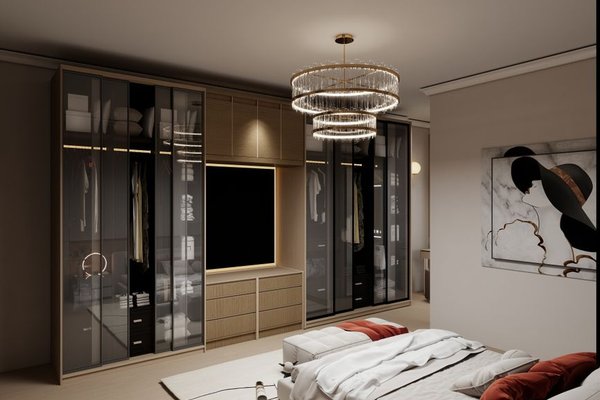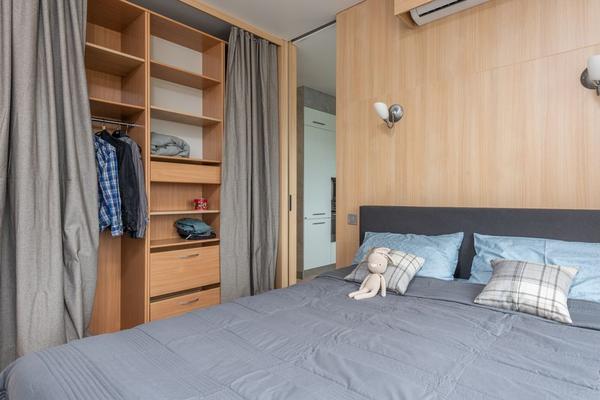
A bed frame can look perfect in a showroom and still be wrong for the mattress you own. That is the real issue behind the platform bed vs panel bed decision. Both can create a beautiful bedroom, but they support a mattress differently, change how high you sleep, and may require different purchases.
To choose well, look beneath the mattress first. Once the support system is right, compare style, storage, and price without discovering a costly compatibility problem after delivery.
The Main Difference Is Mattress Support
Platform beds have built-in support
A platform bed has an integrated mattress-support surface, usually closely spaced slats, a rigid deck, or another engineered structure. With a compatible mattress, you typically need no separate box spring. Platforms may be low and streamlined, but taller and upholstered versions exist too.
Do not assume every frame advertised as a platform offers adequate support. Slat spacing, center rails, and support legs matter, especially for queen and king mattresses.
Panel beds commonly need a foundation
A traditional panel bed has a framed construction, often including a prominent headboard, side rails, and sometimes a footboard. Many have only a few widely spaced crossbars to hold a separate bed foundation; those bars cannot support a mattress directly.
Some panel-style beds include closely spaced slats, however. Ask what actually sits between the rails and whether another support component is required.
Check Your Mattress Before Choosing a Frame
The most important part of any bed frame comparison is whether its support meets the mattress manufacturer’s instructions. Foam, latex, hybrid, and innerspring models may have different requirements. A foundation can feel sturdy while still flexing too much or leaving unsupported gaps.
For example, Purple specifies slat gaps no greater than 3.5 inches for certain slatted setups. Tempur-Pedic describes slats at least 3 inches wide and no more than 4 inches apart for qualifying platforms. Those are brand-specific examples, not a universal rule. Check the guidance for your exact mattress and its warranty.
A traditional spring-containing box spring is not interchangeable with a rigid foundation. Some modern mattresses expressly prohibit flexible box springs. On a panel frame, a firm non-spring foundation may be the correct choice instead.
Already own a mattress? Read its support requirements before shopping. Buying a complete bed? Verify that the mattress, frame, and any foundation will work together.
Which One Gives You a Better Bed Height?
Platform beds often place the sleeping surface lower because there is no extra foundation beneath the mattress. That can make a small bedroom feel more open and help keep a bed below a windowsill. A thick mattress or tall platform legs can change the result.
A panel bed plus foundation often creates a taller setup. Some people find this easier when sitting down or standing up; others dislike climbing into bed. Neither category guarantees a specific height.
Add the support height, foundation height if needed, and mattress thickness. Then consider whether your feet can rest comfortably on the floor while you sit at the edge. Your finished bed height matters more than a “low-profile” label.
Style and Room Proportions
Platforms suit many contemporary, Scandinavian, and minimalist rooms. Clean outlines keep attention on bedding, color, and lighting, although wood or upholstered platforms can look quite substantial.
Panel beds tend to emphasize the furniture itself. Tall headboards, detailed panels, and matching footboards can create a traditional or formal feel. They can also dominate a narrow room.
Measure the frame’s full exterior dimensions, not just the mattress. A deep footboard or wide upholstered headboard can narrow walkways. Bedroom furniture dimensions and small bedroom layout ideas are useful references when space is limited.
Storage: Look Beyond the Bed Type
Some platform beds include built-in drawers or lift-up storage, useful when a dresser will not fit. Other low platforms leave no usable space underneath.
A panel bed may offer generous clearance, yet side rails, center legs, or its footboard can block containers. Check the actual opening instead of assuming that a tall bed provides more storage.
If you want bins underneath, measure both their height and how far they need to slide out. Under-bed storage ideas work best when you know the available clearance.
Compare Total Price and Assembly
A platform may save money because mattress support is included. Premium wood, upholstery, or storage hardware, however, can make it more expensive than a basic panel frame.
For a panel bed, account for any required rigid foundation, shipping, and assembly. Confirm whether support slats are included; a retailer may photograph a complete bed while pricing the components separately.
Think about moving too. Large decorative panels can be awkward on stairs, while platforms with numerous slats or drawers may take longer to assemble. Look for reliable joints, center support, stated load limits, and accessible replacement parts.
A Real-World Buying Example
Suppose you own a queen-size foam mattress and want to replace an old metal frame. A platform with suitable slats and sturdy center support might accommodate it without another foundation. A decorative panel bed with four widely spaced crossbars would probably need a compatible rigid foundation first.
This suggests a sensible order: confirm mattress requirements, inspect frame construction, calculate finished height, measure room clearance, and total every necessary purchase. A bed frame buying guide can help you compare construction rather than finishes alone.
Choose a platform for direct mattress support and a potentially simpler setup. Choose a panel bed if you prefer its appearance and can accommodate the appropriate foundation. With either option, verify the exact product rather than trusting the label.
Frequently Asked Questions
Does a platform bed need a box spring?
Usually not. A properly designed platform supports a compatible mattress directly, provided its structure and slat spacing meet manufacturer requirements.
Can a mattress go directly on a panel bed?
Only if that particular model includes an approved support surface. Traditional panel frames with widely spaced crossbars generally require a separate foundation.
Is a platform bed better for memory foam?
It can be convenient, but the label alone proves nothing. Check slat spacing, support legs, and warranty terms. A compatible rigid foundation on a panel bed can also work.
Are panel beds more durable than platform beds?
Not inherently. Materials, joinery, slat strength, center supports, rated capacity, and assembly quality determine durability in either type.
Which Frame Works Better for You?
In the platform bed vs panel bed comparison, the better choice supports your mattress correctly and fits how you use your room. Platforms often simplify the bed foundation question; panel beds may offer the height and decorative presence you want. Confirm support first, then decide which height, storage arrangement, and style will make your bedroom comfortable every day.