A bedroom without a built-in closet can still feel orderly, even when you rent or want to avoid fitted cabinetry. The best freestanding wardrobe ideas are not necessarily the biggest or most expensive. They give your clothes a sensible home while leaving enough room to move, dress, and enjoy the space.
Unlike custom cabinetry, a separate wardrobe can sometimes move with you or be replaced as your needs change. But it still requires careful measuring, thoughtful storage planning, and safe installation. Start with the way you actually use your bedroom rather than choosing a cabinet from a photograph alone.
Decide What Your Wardrobe Needs to Hold
Sort your clothes into hanging pieces, folded items, and seasonal belongings before shopping. A rail-heavy design works for shirts, coats, and dresses, while shelves and drawers may suit someone with more knitwear and casual clothing. Measure your longest garments and check usable interior dimensions, not merely the wardrobe’s outside height.
Double hanging rails make good use of vertical space for shorter clothing. They are less useful if long coats have nowhere to go. The most effective wardrobe storage layout reflects your own habits rather than a generic showroom arrangement.
Freestanding Wardrobe Ideas to Suit Different Rooms
Try a Slim Wardrobe in a Narrow Space
A single-door wardrobe can fit a spare wall or bedroom corner without dominating the floor. In a guest room, one compact rail and an upper shelf may be enough for visitors. Look closely at internal width: a very narrow cabinet may limit how freely hangers move.
Choose Sliding Doors Beside a Bed
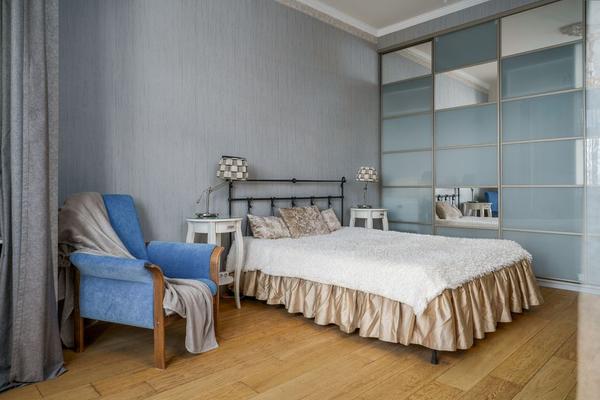
Sliding doors are useful when a bed leaves little clearance for hinged doors. They do not project forward, although one panel usually covers part of the opening. Check that interior drawers remain usable when the doors are positioned to either side, and remember that sliding mechanisms take up some depth.
Use a Mirrored Wardrobe for Two Jobs
A mirrored door doubles as a full-length dressing mirror and can reflect daylight around the room. Consider what it will reflect before deciding where to place it. A mirror facing a cluttered shelf may make that clutter more noticeable rather than making the bedroom seem calmer.
Combine Closed Cabinets with Open Shelves
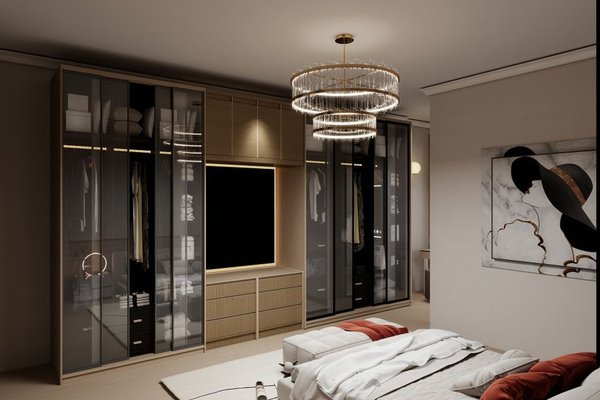
Among practical freestanding closet ideas, a wardrobe with a small open section offers an attractive balance. Conceal everyday clothes behind doors while keeping a frequently used bag or decorative storage box within reach. Open shelving does gather dust, so reserve it for items you use or clean regularly.
Consider a Modular Standalone Closet
Some wardrobe systems allow shelves, rails, and drawer modules to be adjusted as your needs change. Confirm which parts are compatible before purchasing. Two matching smaller units can also give partners separate storage while keeping the bedroom visually coordinated.
Give a Vintage Armoire a New Role
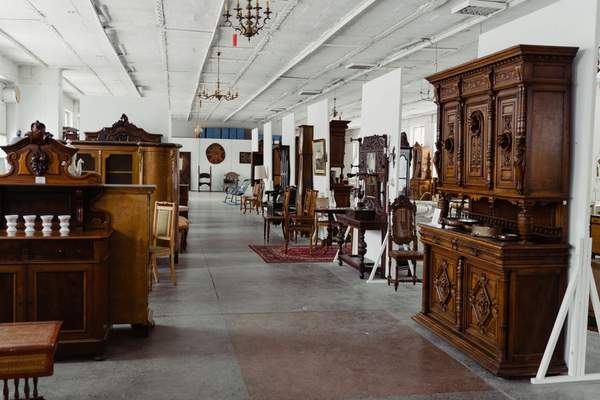
A wooden armoire can add character to an otherwise simple bedroom. Inspect hinges, back panels, hanging rails, and overall stability. Older cabinets are sometimes too shallow for modern hangers, so measure the inside before buying, especially if you want to store bulky jackets.
Match the Finish to the Room
Pale finishes can help a large wardrobe blend with a light wall. Natural wood introduces warmth, while dark colors create a more defined focal point. You do not have to match every piece of bedroom furniture exactly. Repeating a similar wood undertone or handle finish is often enough.
For cramped rooms, explore small bedroom layout ideas before selecting a dramatic finish. A visually simple cabinet may help the whole room feel less crowded.
Measure the Real Space, Not Just the Wall
Check ceiling height, skirting boards, window handles, sockets, and the route the wardrobe must travel during delivery. Read the assembly instructions because tall units may need extra ceiling clearance to be raised upright. Measure depth as carefully as width; a shallow cabinet is ineffective if hangers prevent its doors from closing.
Here is a useful real-world test: place painter’s tape on the floor to outline the proposed wardrobe. Walk around the bed, open the bedroom door, and imagine fully extending any drawers. A cabinet might technically fit while making your daily routine awkward. Hinged doors need swing clearance; sliding doors need space to access the opening comfortably.
Make the Interior Easier to Use
Keep frequently worn clothes between waist and eye level. Use a high shelf for seasonal items in labeled boxes, and lower drawers for accessories that would otherwise disappear into piles. Adjustable shelves help, but leave enough vertical room to lift folded stacks without disturbing everything around them.
If every shelf is overflowing, review the amount you own before buying more organizers. A few well-placed dividers or baskets can be more useful than a complicated insert system. For further inspiration, closet organization ideas can help you group belongings according to how often they are worn.
Position the Wardrobe for Comfortable Movement
A long uninterrupted wall may be the obvious location, but an alcove can work better if it preserves walking space. Avoid blocking daylight, ventilation, or access to heating equipment, and follow the manufacturer’s clearance guidance. In a shared bedroom, consider whether separate doors or separate wardrobes would make morning routines easier.
Stand where you would normally get dressed. Can you open the cabinet, reach your clothes, and turn around without squeezing past the bed? This simple exercise often reveals the most practical placement.
Do Not Overlook Tip-Over Safety
Freestanding does not mean a tall wardrobe should be left unanchored. The US Consumer Product Safety Commission advises securing furniture against tip-over hazards, especially where children may be present. Use suitable wall fixings and follow the manufacturer’s instructions. If you rent, discuss safe anchoring with your landlord rather than skipping it.
Keep heavier belongings low, respect shelf and rail weight limits, and avoid leaving tempting objects high enough to encourage children to climb the furniture.
Frequently Asked Questions
Are freestanding wardrobes good for small bedrooms?
Yes, provided the dimensions and door style leave enough movement space. Slim models and sliding doors can help, but check internal capacity before choosing the smallest option.
Are they better than built-in closets?
They are often more flexible to replace or relocate. Built-in storage can use difficult corners more efficiently, so the right choice depends on your room, budget, and plans.
Which doors work best near a bed?
Sliding doors generally use less space in front of the wardrobe. Hinged doors provide a broader view inside when there is sufficient room to open them fully.
How can I increase wardrobe capacity?
Try compatible adjustable shelves, dividers, and boxes for seasonal clothing. Remove things you no longer wear, and stay within the cabinet’s stated load limits.
Flexible Storage Starts with a Good Fit
Useful bedroom wardrobe ideas combine appearance with everyday practicality. Choose enough hanging space for your clothes, doors that clear nearby furniture, and a finish that suits the room. With accurate measurements and proper safety fixing, a standalone closet can feel like a deliberate design choice rather than a compromise.