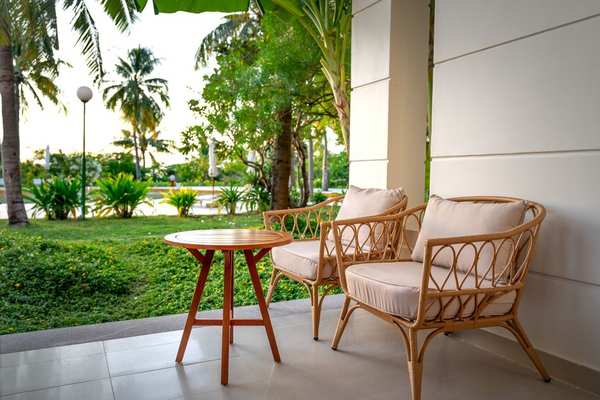
A patio set can look perfect in a showroom and still struggle through one season of blazing sun, heavy rain, or salty coastal air. The best materials for outdoor furniture are not simply the most expensive ones. The right choice depends on your climate, the way you use your space, and how much maintenance you are willing to do.
Look beneath the surface, too. A weather-resistant tabletop will not rescue rusting screws, and a sturdy sofa frame offers little comfort when its cushions never dry. Comparing the whole piece is smarter than comparing material names alone.
What Actually Determines Outdoor Furniture Durability?
Good outdoor furniture must tolerate moisture, sunlight, daily use, and temperature changes. Weight and comfort matter as well: lightweight chairs are easy to move but can blow around a windy terrace. Before buying, inspect frames, joints, fasteners, surface finishes, and cushion construction. Even a durable material can disappoint when assembled poorly.
Teak: Natural Character and Longevity
Teak outdoor furniture is popular because quality teak heartwood has natural durability and good dimensional stability. It generally handles outdoor conditions better than many common furniture woods, although it is not completely maintenance-free. Its substantial weight suits dining tables and benches that usually stay in one place.
Untreated teak gradually develops a silvery-grey patina. That colour change does not automatically mean the wood is damaged. Clean it gently and follow the maker’s instructions if you prefer to maintain a brown appearance. Regular oiling is not necessarily required; some treatments create additional upkeep rather than eliminating it.
Teak is typically a premium-priced option. Confirm that you are buying genuine teak rather than a product merely described as having a “teak look,” and ask about sourcing.
Aluminum: Easy to Move and Maintain
Aluminum patio furniture is a versatile choice for dining sets, balconies, and spaces that change layout frequently. Aluminum does not form the reddish rust seen on ordinary steel. A quality powder-coated finish adds surface protection and colour, but scratches and chipped coatings still need attention.
Look beyond a “rustproof” label. Examine welds, tube construction, stability, and the screws holding everything together. Steel fasteners can corrode even when the main frame is aluminum. Metal surfaces may also feel hot in direct sunshine, so seating cushions and shade improve comfort.
For households wanting minimal routine work, sturdy aluminum often gives an excellent balance of outdoor furniture durability, convenience, and value.
Resin Wicker: Comfortable Style With a Catch
Resin wicker furniture creates a relaxed, woven look without the moisture sensitivity of natural indoor rattan. Quality outdoor versions use synthetic strands, commonly polyethylene, formulated for weather exposure. UV-stabilised material generally offers better protection against sunlight than an unspecified plastic weave.
The hidden frame is just as important as the visible wicker. Resin over an inadequately protected steel structure can conceal rust. Prefer clear descriptions of the frame material, securely finished strand ends, evenly tensioned weaving, and supported seating. Cheaper strands may become brittle, loose, or faded over time.
Clean between the strands with a soft brush and mild soapy water rather than abrasive tools. A well-made resin wicker set works nicely for lounge seating, especially when cushions can be removed and dried.
Steel: Strong, Stable, and More Maintenance-Sensitive
Steel furniture offers reassuring weight, often at a competitive price. It suits traditional garden benches, bistro sets, and designs where slender frames are part of the appeal. The drawback is corrosion when water reaches unprotected metal.
Galvanising, suitable coatings, and careful construction improve durability, but no paint finish is invulnerable. Check welds, feet, and undersides where chips and trapped moisture can go unnoticed. Repair damage according to manufacturer instructions and consider dry storage during prolonged wet weather.
Some stainless steels resist corrosion better than ordinary carbon steel, but the grade and environment still matter. For constantly exposed seaside patios, aluminum is usually the easier-care option.
Other Outdoor Furniture Materials to Know
HDPE and Recycled Plastic Lumber
High-density polyethylene, or HDPE, is used for substantial outdoor chairs and tables. Well-formulated, UV-stabilised products resist water and usually need little more than gentle washing. Some use recycled content, but that alone does not prove lasting quality. Check warranties, hardware, and outdoor-use specifications.
Acacia, Eucalyptus, and Other Woods
These woods can provide attractive natural furniture at a lower initial cost than premium teak. Outdoor performance varies considerably with species, treatment, and exposure, however. Many products need periodic protective finishing. If you dislike upkeep, read the care requirements before committing.
Stone and Concrete Tabletops
Stone and concrete can provide stable, substantial tables, but their weight makes moving furniture harder. Some surfaces stain, chip, or require sealing, and particular products may not tolerate freezing conditions well. Follow instructions for the exact material and finish.
Choose According to Your Climate
Hot and Sunny
Consider teak, quality aluminum, or UV-stabilised synthetic materials. Dark metal and stone can become uncomfortable to touch. Try a sample in sunlight, provide shade, and remember that cushion covers may fade before the frame wears out.
Wet or Humid
Favor corrosion-resistant frames and surfaces that dry readily. Aluminum and properly specified resin wicker are practical. Avoid covers that trap water against furniture, and store cushions in a dry, ventilated place when not in use.
Coastal or Windy
Salt air increases the importance of corrosion-resistant hardware and suitable finishes. Ask for coastal-use guidance rather than trusting broad “all-weather” claims. On exposed rooftops, furniture weight or safe anchoring matters as much as material selection.
A Smarter Way to Compare Furniture in Store
Imagine two similar woven sofas. One promises “all-weather wicker” without naming its frame; the other specifies UV-stabilised resin, an aluminum frame, replaceable cushions, and a clear warranty. The second provides more useful evidence even if both look equally appealing online.
Sit on the furniture, check for wobble, inspect the underside, and ask whether replacement parts are available. Think through small patio layouts before buying an oversized set. Basic plans for cleaning outdoor cushions and storing patio furniture can protect your purchase for years.
Frequently Asked Questions
What is the most durable outdoor furniture material?
There is no single winner. Quality teak, well-built aluminum, and UV-stabilised HDPE can all last well. Climate, construction details, and maintenance determine how each performs.
Is aluminum or steel better for patio furniture?
Aluminum is lighter and generally requires less corrosion-related upkeep. Steel can feel sturdier and stay put in wind, but its protective finish requires closer monitoring.
Can resin wicker stay outdoors all year?
Outdoor-rated resin wicker often can, but check the product’s climate recommendations. Keep it clean, protect it during severe weather, and store removable cushions dry.
Does teak need sealing?
Not necessarily. Quality teak can weather naturally to grey. Use only manufacturer-recommended care if retaining its original colour matters to you.
Make the Material Fit Your Life
Teak offers natural beauty, aluminum simplifies upkeep, resin wicker creates inviting lounge seating, and protected steel provides useful weight. The best value comes from matching those qualities to real weather and daily habits. Inspect the overlooked details—joints, fasteners, finishes, and cushions—before spending more on a material name alone.