Engineered wood furniture has quietly become one of the most common choices in modern homes. You see it in wardrobes, TV units, kitchen cabinets, study tables, beds, bookshelves, and almost every type of ready-made furniture sold today. It is practical, affordable, flexible in design, and easier to produce in consistent shapes and finishes than many traditional solid wood pieces.
Still, many people feel unsure about it. Some assume engineered wood is weak or temporary, while others choose it without understanding its limitations. The truth sits somewhere in the middle. Engineered wood furniture can be a smart and stylish choice, but only when you know what it is, where it works best, and how to care for it.
What Engineered Wood Furniture Really Means
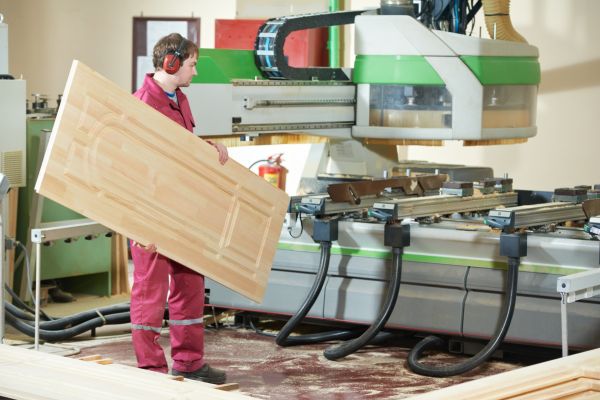
Engineered wood is not the same as natural solid wood. Instead, it is made by combining wood fibers, chips, particles, veneers, or layers with adhesives and pressure to create boards or panels. These panels are then used to make furniture.
Common types include plywood, MDF, particle board, blockboard, and high-density fiberboard. Each has its own strength, weight, surface texture, and price range. Plywood, for example, is made by bonding thin layers of wood veneer together, which gives it good strength and stability. MDF has a smooth surface and is often used for painted furniture, cabinet shutters, and decorative panels. Particle board is usually more budget-friendly and is common in flat-pack furniture.
So when someone says engineered wood furniture, they may be talking about many different materials. This is why quality can vary so much. A well-made plywood wardrobe and a low-grade particle board shelf are not the same thing, even though both fall under the broad engineered wood category.
Why Engineered Wood Became So Popular
One of the biggest reasons engineered wood furniture became popular is affordability. Solid wood can be expensive, especially when made from hardwoods like oak, walnut, teak, or maple. Engineered wood offers a more accessible option for people who want attractive furniture without spending too much.
Another reason is design flexibility. Engineered boards are available in large, even sheets, which makes them easier to cut, shape, laminate, paint, and finish. This helps furniture makers create clean modern lines, smooth cabinet fronts, modular storage, and custom-style designs at a lower cost.
It also suits today’s changing lifestyle. Many people move homes, renovate more often, or prefer furniture that looks stylish without feeling too heavy or permanent. Engineered wood fits that rhythm well. It can look polished and contemporary, yet remain practical for everyday living.
The Main Pros of Engineered Wood Furniture
The first clear advantage is cost. Engineered wood furniture is generally less expensive than solid wood, which makes it useful for furnishing bedrooms, apartments, rental homes, offices, and children’s rooms. It allows homeowners to create a complete interior look without stretching the budget too far.
It is also quite versatile. Whether someone wants a minimalist white wardrobe, a walnut-finish TV console, a compact study desk, or a modern kitchen cabinet, engineered wood can support many finishes and styles. Laminates, veneers, acrylic sheets, and painted coatings can all be applied to its surface.
Another benefit is consistency. Solid wood can have knots, natural movement, and grain variation. Many people love that, of course, but it can make matching furniture pieces difficult. Engineered wood panels are more uniform, which helps create balanced and seamless designs.
In some cases, engineered wood is also more resistant to warping than solid wood. Because it is manufactured in layers or compressed boards, it may handle changes in shape better than poorly seasoned natural wood. This is especially true for good-quality plywood.
The Cons You Should Know Before Buying
The biggest weakness of engineered wood furniture is moisture sensitivity. Some types, especially particle board and low-quality MDF, can swell or lose strength when exposed to water. A small spill may not cause immediate damage if wiped quickly, but repeated moisture exposure can ruin edges, joints, and surfaces.
Durability also depends heavily on the type and grade of material used. High-quality plywood can last for years, while cheap particle board furniture may weaken much sooner, especially if it carries heavy weight or is moved frequently. Screws and hinges may also loosen faster in lower-grade boards.
Another limitation is repairability. Solid wood can often be sanded, refinished, or repaired more easily. Engineered wood, especially laminated or veneered surfaces, is harder to restore once chipped, swollen, or deeply scratched. You can touch up small marks, but major damage may require replacing the panel.
There is also the issue of weight and load capacity. Some engineered wood furniture looks sturdy from the outside but may not support heavy use if the internal board is weak. This matters for bookshelves, beds, dining tables, and storage units that hold a lot of weight.
Where Engineered Wood Works Best in the Home
Engineered wood furniture works beautifully in areas where style, storage, and budget all matter. Bedrooms are a natural fit. Wardrobes, bed frames, side tables, dressing units, and study corners can all be made with engineered wood, especially when protected with good surface finishes.
Living rooms are another common space. TV units, wall panels, coffee tables, display shelves, and storage cabinets can look sleek and expensive when designed well. Since these pieces usually face moderate use, engineered wood often performs nicely.
Home offices also benefit from it. Study desks, file cabinets, bookshelves, and workstations made from MDF or plywood can create a neat and functional setup. However, shelves that hold heavy books should be made with stronger boards and proper support.
Kitchens require more care. Engineered wood can be used for kitchen cabinets, but moisture-resistant grades are important. Edges should be sealed properly, and areas near the sink should be protected from water. In bathrooms or very damp spaces, standard engineered wood is usually not the best choice unless it is specifically treated for moisture resistance.
Popular Designs in Engineered Wood Furniture
Modern engineered wood furniture often leans toward clean lines and smooth finishes. Matte white, warm oak, walnut, ash grey, and black finishes are common because they suit many interior styles. These designs feel calm and uncluttered, which is why they work well in small homes and apartments.
Wood-look laminates are especially popular. They give the warmth of natural timber without the higher cost or maintenance of solid wood. A walnut-finish wardrobe, for example, can add depth to a bedroom, while a light oak TV unit can make a living room feel open and relaxed.
Minimalist designs are another strong trend. Handle-less cabinets, floating shelves, slim study tables, and wall-mounted storage pieces all work well with engineered panels. The material’s flat and even surface helps create that clean, modern appearance.
For a slightly richer look, veneer finishes are often used. Veneer is a thin layer of natural wood applied over an engineered base. This gives furniture a more authentic wood grain appearance while keeping the structure more affordable than full solid wood.
How to Judge Quality Before You Buy
The first thing to check is the type of engineered wood used. Plywood is usually stronger than particle board, while MDF is excellent for smooth painted surfaces but needs protection from moisture. Ask what material forms the main structure, not just what finish is visible on the outside.
Look closely at the edges. Poorly sealed edges are often the first places to swell or chip. Good-quality engineered wood furniture should have neat edge banding, smooth corners, and no exposed rough board.
Check the hardware too. Hinges, drawer channels, handles, and screws make a big difference in daily use. Even a good board can feel cheap if the fittings are weak. Open and close drawers, test cabinet doors, and see whether the furniture feels stable.
Also consider thickness. Thin panels may look fine in photos but can bend under weight. For wardrobes, beds, shelves, and large storage units, thicker boards and proper internal support matter a lot.
Simple Care Tips for Longer Life
Engineered wood furniture does not need complicated care, but it does need sensible handling. Keep it away from standing water, damp corners, and direct exposure to leaks. Wipe spills immediately with a soft dry cloth.
Avoid dragging heavy pieces across the floor, as this can loosen joints. If furniture needs to be moved, lift it carefully or empty it first. This is especially important for wardrobes and shelves.
Use coasters or mats under hot cups, planters, and decorative items that may release moisture. For desks and tables, a desk mat can help prevent scratches and dents from daily use.
Regular dusting also helps maintain the finish. Harsh chemical cleaners are usually unnecessary and may damage laminate or veneer surfaces. A slightly damp cloth followed by a dry wipe is often enough for routine cleaning.
Is Engineered Wood Better Than Solid Wood?
It depends on what you need. Solid wood has natural beauty, long-term repair value, and a sense of permanence that many people love. It is often the better choice for heirloom furniture, premium dining tables, or pieces meant to last for decades.
Engineered wood furniture, however, is often more practical for modern everyday interiors. It is more affordable, easier to customize, and available in a wide range of designs. For many homes, especially where budget and space matter, it can be the more sensible option.
The key is not to compare the cheapest engineered wood with high-end solid wood. That would not be fair. Instead, compare based on purpose, quality, budget, and expected use. A well-made engineered wood wardrobe may serve a family better than an expensive solid wood piece that does not fit the room or storage needs.
Conclusion
Engineered wood furniture has earned its place in modern interiors because it solves real problems. It offers style without excessive cost, flexibility without heavy construction, and enough variety to suit almost any room. At the same time, it is not perfect. Moisture, low-grade boards, weak hardware, and poor edge finishing can shorten its life.
The best approach is to choose carefully. Understand the material, check the build quality, think about where the furniture will be used, and care for it in simple everyday ways. When selected wisely, engineered wood furniture can be attractive, functional, and surprisingly long-lasting. It may not always carry the romance of solid wood, but for many homes, it delivers exactly what modern living needs: practical beauty that fits real life.